New to AMIT?
Call us: 801.544.2355
Existing Patients?
New to AMIT?
Call us: 801.544.2355
Existing Patients?
New to AMIT?
Call us: 801.544.2355
Existing Patients?
Advanced Pain Therapy Options
Some patients require additional supportive treatments to help reduce inflammation, improve tissue healing, and support neuromuscular recovery.
At AMIT Clinics, advanced therapies are used to complement the primary treatment plan. These therapies are not used alone, but rather as part of a comprehensive approach designed to improve function and accelerate recovery.
Depending on your evaluation, your provider may recommend one or more of the following therapies.
Advanced Pain Therapy Options
Many patients come to our clinic after years of persistent pain, multiple failed treatments, or being told that injections or surgery are their next step.
At AMIT Clinics, our medical approach focuses on identifying the neurological and neuromuscular causes of pain
not simply suppressing symptoms. Before invasive procedures are considered, we evaluate how the brain, nerves, muscles, and joints are functioning together.
When proper communication between the nervous system and the body is restored, many patients experience meaningful relief without surgery, injections, or long recovery periods.
Advanced Pain Therapy Options
Some patients require additional supportive treatments to help reduce inflammation, improve tissue healing, and support neuromuscular recovery.
At AMIT Clinics, advanced therapies are used to complement the primary treatment plan. These therapies are not used alone, but rather as part of a comprehensive approach designed to improve function and accelerate recovery.
Depending on your evaluation, your provider may recommend one or more of the following therapies.
How Supportive Therapies Enhance Your Treatment Plan
Supportive therapies are used to assist your primary treatment and help your body recover more efficiently. While the main focus of care is correcting the functional cause of pain, some patients benefit from additional therapies that help calm irritated tissues, improve circulation, and promote healing.
These therapies are selected based on your individual findings during the evaluation and your response to treatment. They are not used as stand-alone care, but rather to support progress and help reduce discomfort while your body regains proper function.
Depending on your condition, your provider may recommend certain therapies to decrease inflammation, improve mobility, or help tissues recover when symptoms have been persistent.
The goal is to enhance recovery, improve comfort, and allow your primary treatment to work more effectively.
Chronic pain is often misunderstood. Imaging tests such as MRIs and X-rays may show structural findings that do not fully explain a patient’s symptoms.
In many cases, the problem is functional rather than structural. The body depends on proper coordination between the brain and muscles. When stabilizing muscles do not activate correctly, other muscles compensate, leading to joint stress, inflammation, nerve irritation, and persistent pain.
Instead of only focusing on where it hurts, we evaluate why the body is compensating.Our medical evaluation includes:
Neurological signaling assessment
Neurological signaling assessment
Muscle activation testing
Joint stability evaluation
Postural analysis
Movement pattern analysis
A Different Approach
to Chronic PainWhy Choose AMIT Clinics in Draper?
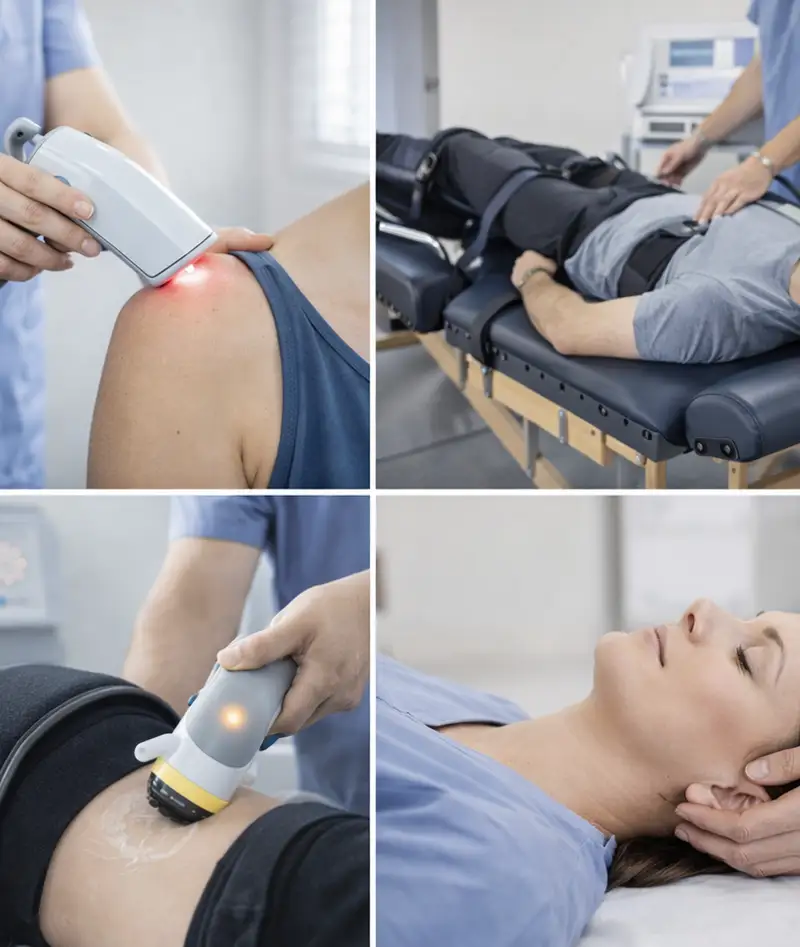
Why Choose AMIT Clinics in Draper?
Why Choose AMIT Clinics in Draper?
Chronic pain is often misunderstood. Imaging tests such as MRIs and X-rays may show structural findings that do not fully explain a patient’s symptoms.
In many cases, the problem is functional rather than structural. The body depends on proper coordination between the brain and muscles. When stabilizing muscles do not activate correctly, other muscles compensate, leading to joint stress, inflammation, nerve irritation, and persistent pain.
Instead of only focusing on where it hurts, we evaluate why the body is compensating.Our medical evaluation includes:
Neurological signaling assessment
Neurological signaling assessment
Muscle activation testing
Joint stability evaluation
Postural analysis
Movement pattern analysis
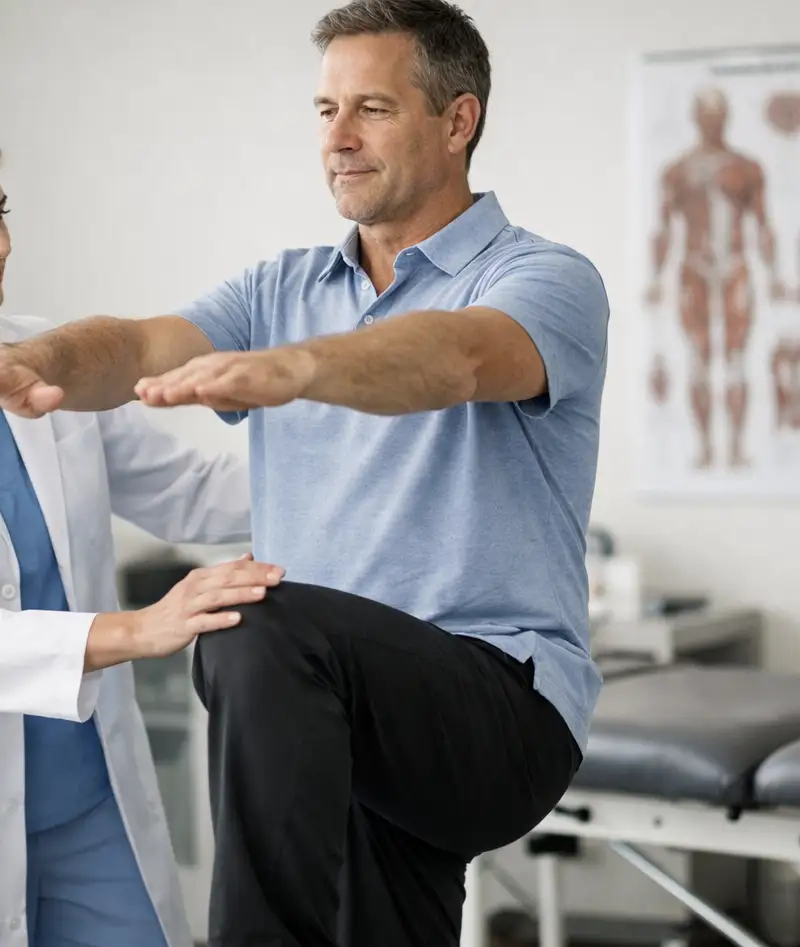
Let’s Find the Right Treatment for You
Let’s Find the Right Treatment for You
Let’s Find the Right Treatment for You
Our Treatment Methods
Our Treatment Methods
Our Treatment Methods
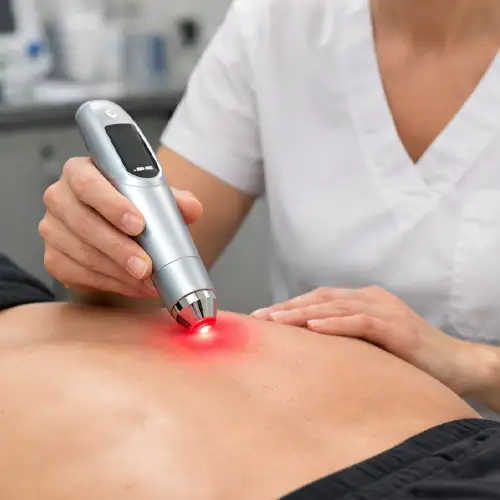
Erchonia Laser Therapy
Low-level laser therapy uses specific wavelengths of light to stimulate cellular activity and promote tissue healing. This therapy is commonly used to help reduce inflammation, improve circulation, and support recovery in soft tissue injuries. Patients often experience reduced inflammation, an improved healing response, decreased muscle tension, and relief in localized pain areas.
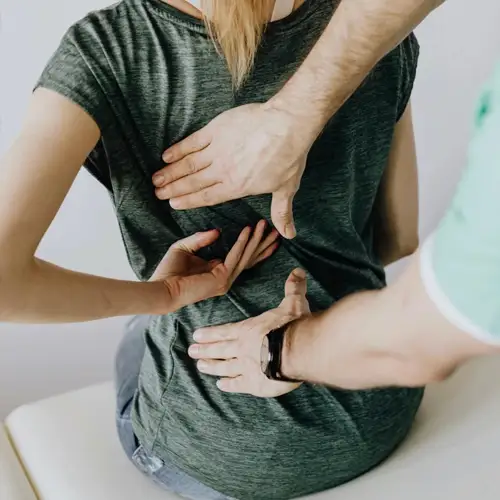
Spinal Decompression Therapy
Muscle Reactivation Therapy identifies muscles that are neurologically inhibited and not firing correctly. When key stabilizing muscles fail to activate, surrounding joints and nerves become overloaded, leading to inflammation and pain.
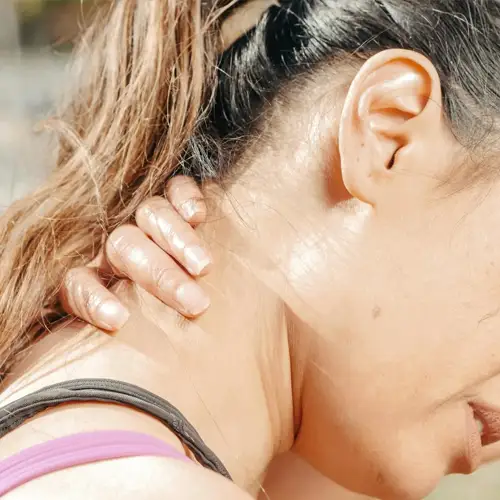
Cranial Therapy
Cranial therapy focuses on gentle techniques designed to normalize tension in the head and neck region while supporting nervous system balance. It may be recommended for patients experiencing headaches, jaw tension, or neck-related discomfort.
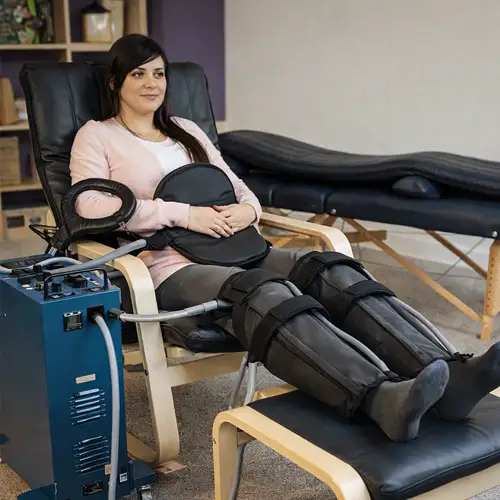
PEMF Therapy
Pulsed Electromagnetic Field (PEMF) therapy uses low-frequency electromagnetic waves to stimulate cellular repair and improve circulation. This therapy may assist in reducing inflammation and supporting tissue recovery.
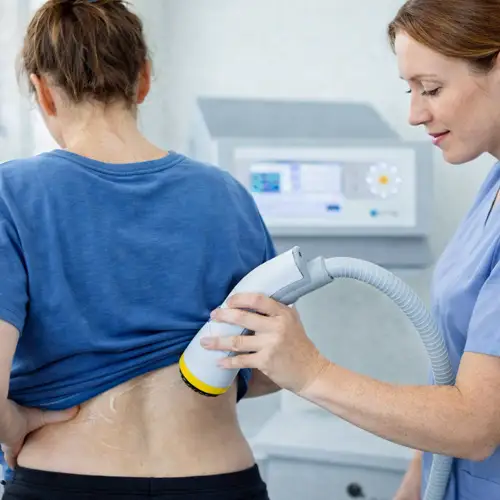
SoftWave Therapy
SoftWave therapy uses acoustic wave technology to stimulate tissue repair and improve blood flow. It may be recommended for chronic soft tissue conditions and areas that have not responded to traditional treatments.
Dayna J.
Low-level laser therapy uses specific wavelengths of light to stimulate cellular activity and promote tissue healing. This therapy is commonly used to help reduce inflammation, improve circulation, and support recovery in soft tissue injuries. Patients often experience reduced inflammation, an improved healing response, decreased muscle tension, and relief in localized pain areas.
Dayna J.
Muscle Reactivation Therapy identifies muscles that are neurologically inhibited and not firing correctly. When key stabilizing muscles fail to activate, surrounding joints and nerves become overloaded, leading to inflammation and pain.
Dayna J.
Cranial therapy focuses on gentle techniques designed to normalize tension in the head and neck region while supporting nervous system balance. It may be recommended for patients experiencing headaches, jaw tension, or neck-related discomfort.
Jane G.
Pulsed Electromagnetic Field (PEMF) therapy uses low-frequency electromagnetic waves to stimulate cellular repair and improve circulation. This therapy may assist in reducing inflammation and supporting tissue recovery.
Jane G.
SoftWave therapy uses acoustic wave technology to stimulate tissue repair and improve blood flow. It may be recommended for chronic soft tissue conditions and areas that have not responded to traditional treatments.
Jonathan Woods
The AMIT clinic never disappoints. I’ve been a patient/client for over five years. The methods have always led to immediate results and I appreciate that they encourage me to come in only as I need.
Jonathan Woods
The AMIT clinic never disappoints. I’ve been a patient/client for over five years. The methods have always led to immediate results and I appreciate that they encourage me to come in only as I need.
Jonathan Woods
The AMIT clinic never disappoints. I’ve been a patient/client for over five years. The methods have always led to immediate results and I appreciate that they encourage me to come in only as I need.
Brett Rowe
Pulsed Electromagnetic Field (PEMF) therapy uses low-frequency electromagnetic waves to stimulate cellular repair and improve circulation. This therapy may assist in reducing inflammation and supporting tissue recovery.
Brett Rowe
SoftWave therapy uses acoustic wave technology to stimulate tissue repair and improve blood flow. It may be recommended for chronic soft tissue conditions and areas that have not responded to traditional treatments.
Frequently Asked Questions
What are supportive therapies?
Supportive therapies are additional treatments used to assist the primary care plan. They are selected to help reduce inflammation, improve circulation, and support the body’s healing process while the underlying functional problem is being addressed.
Are these treatments used on their own?
No. These therapies are not intended to be standalone care. They are recommended as part of a comprehensive treatment plan after your evaluation to enhance recovery and improve treatment response.
How do you decide which therapy I need?
Your provider determines this after a clinical evaluation. The recommendation depends on your symptoms, physical findings, and how your body responds to initial treatment.
Do all patients receive supportive therapies?
Not always. Some patients improve with primary treatment alone. Supportive therapies are only used when they are likely to benefit healing or help resolve persistent irritation.
Are the treatments safe?
Yes. These therapies are non-invasive and generally well tolerated. Your provider will explain what to expect and determine whether any therapy should be avoided based on your medical history.
Will these therapies replace chiropractic or neuromuscular treatment?
No. They are designed to support your primary treatment, not replace it. Their purpose is to improve tissue healing and reduce irritation so the main treatment can work more effectively.
Frequently Asked Questions
What are supportive therapies?
Supportive therapies are additional treatments used to assist the primary care plan. They are selected to help reduce inflammation, improve circulation, and support the body’s healing process while the underlying functional problem is being addressed.
Are these treatments used on their own?
No. These therapies are not intended to be standalone care. They are recommended as part of a comprehensive treatment plan after your evaluation to enhance recovery and improve treatment response.
How do you decide which therapy I need?
Your provider determines this after a clinical evaluation. The recommendation depends on your symptoms, physical findings, and how your body responds to initial treatment.
Do all patients receive supportive therapies?
Not always. Some patients improve with primary treatment alone. Supportive therapies are only used when they are likely to benefit healing or help resolve persistent irritation.
Are the treatments safe?
Yes. These therapies are non-invasive and generally well tolerated. Your provider will explain what to expect and determine whether any therapy should be avoided based on your medical history.
Will these therapies replace chiropractic or neuromuscular treatment?
No. They are designed to support your primary treatment, not replace it. Their purpose is to improve tissue healing and reduce irritation so the main treatment can work more effectively.
Frequently Asked Questions
What are supportive therapies?
Supportive therapies are additional treatments used to assist the primary care plan. They are selected to help reduce inflammation, improve circulation, and support the body’s healing process while the underlying functional problem is being addressed.
Are these treatments used on their own?
No. These therapies are not intended to be standalone care. They are recommended as part of a comprehensive treatment plan after your evaluation to enhance recovery and improve treatment response.
How do you decide which therapy I need?
Your provider determines this after a clinical evaluation. The recommendation depends on your symptoms, physical findings, and how your body responds to initial treatment.
Do all patients receive supportive therapies?
Not always. Some patients improve with primary treatment alone. Supportive therapies are only used when they are likely to benefit healing or help resolve persistent irritation.
Are the treatments safe?
Yes. These therapies are non-invasive and generally well tolerated. Your provider will explain what to expect and determine whether any therapy should be avoided based on your medical history.
Will these therapies replace chiropractic or neuromuscular treatment?
No. They are designed to support your primary treatment, not replace it. Their purpose is to improve tissue healing and reduce irritation so the main treatment can work more effectively.
Find Us – Draper Location & Directions
AMIT Clinics – Draper, UT
12371 S 900 E Unit 101 Draper, UT 84020
Tel: 801.544.2355
Email: office@amitmethod.com
Hours
Monday : 7:30 AM – 4:00 PM
Tuesday 6:30 AM–4:00 PM
Wednesday 7:30 AM – 4:00 PM
Thursday 7:30 AM–4:00 PM
Friday Closed
Saturday Closed
Sunday Closed
About Our Draper Chiropractor
Find Us – Kaysville Location & Directions
AMIT AMIT Clinics – Kaysville, UT
447 North 300 West Ste 5 Kaysville, UT 84037
Tel: 801.544.2355
Email: office@amitmethod.com
Hours
Monday : 7:30 AM – 4:00 PM
Tuesday 6:30 AM–4:00 PM
Wednesday 10 AM–6:30 PM
Thursday 6:30 AM–4 PM
Friday 8 AM–12 PM
Saturday Closed
Sunday Closed
About Our Kaysville Chiropractor
AMIT AMIT Clinics – Kaysville, UT
447 North 300 West Ste 5 Kaysville, UT 84037
Tel: 801.544.2355
Email: office@amitmethod.com
Hours
Monday : 7:30 AM – 4:00 PM
Tuesday 6:30 AM–4:00 PM
Wednesday 10 AM–6:30 PM
Thursday 6:30 AM–4 PM
Friday 8 AM–12 PM
Saturday Closed
Sunday Closed
AMIT Clinics – Draper, UT
12371 S 900 E Unit 101 Draper, UT 84020
Tel: 801.544.2355
Hours
Monday : 7:30 AM – 4:00 PM
Tuesday 6:30 AM–4:00 PM
Wednesday 7:30 AM – 4:00 PM
Thursday 7:30 AM–4:00 PM
Friday Closed
Saturday Closed
Sunday Closed
Find Us – Draper Location & Directions
Find Us – Kaysville Location & Directions
AMIT AMIT Clinics – Kaysville, UT
447 North 300 West Ste 5 Kaysville, UT 84037
Tel: 801.544.2355
Email: office@amitmethod.com
Hours
Monday : 7:30 AM – 4:00 PM
Tuesday 6:30 AM–4:00 PM
Wednesday 10 AM–6:30 PM
Thursday 6:30 AM–4 PM
Friday 8 AM–12 PM
Saturday Closed
Sunday Closed
AMIT Clinics – Draper, UT
12371 S 900 E Unit 101 Draper, UT 84020
Tel: 801.544.2355
Hours
Monday : 7:30 AM – 4:00 PM
Tuesday 6:30 AM–4:00 PM
Wednesday 7:30 AM – 4:00 PM
Thursday 7:30 AM–4:00 PM
Friday Closed
Saturday Closed
Sunday Closed
Find Us – Draper Location & Directions
Find Us – Draper Location & Directions
AMIT Clinics – Draper, UT
12371 S 900 E Unit 101 Draper, UT 84020
Tel: 801.544.2355
Email: office@amitmethod.com
Hours
Monday : 7:30 AM – 4:00 PM
Tuesday 6:30 AM–4:00 PM
Wednesday 7:30 AM – 4:00 PM
Thursday 7:30 AM–4:00 PM
Friday Closed
Saturday Closed
Sunday Closed
About Our Draper Chiropractor
Find Us – Kaysville Location & Directions
AMIT AMIT Clinics – Kaysville, UT
447 North 300 West Ste 5 Kaysville, UT 84037
Tel: 801.544.2355
Email: office@amitmethod.com
Hours
Monday : 7:30 AM – 4:00 PM
Tuesday 6:30 AM–4:00 PM
Wednesday 10 AM–6:30 PM
Thursday 6:30 AM–4 PM
Friday 8 AM–12 PM
Saturday Closed
Sunday Closed
About Our Kaysville Chiropractor
AMIT AMIT Clinics – Kaysville, UT
447 North 300 West Ste 5 Kaysville, UT 84037
Tel: 801.544.2355
Email: office@amitmethod.com
Hours
Monday : 7:30 AM – 4:00 PM
Tuesday 6:30 AM–4:00 PM
Wednesday 10 AM–6:30 PM
Thursday 6:30 AM–4 PM
Friday 8 AM–12 PM
Saturday Closed
Sunday Closed
AMIT Clinics – Draper, UT
12371 S 900 E Unit 101 Draper, UT 84020
Tel: 801.544.2355
Hours
Monday : 7:30 AM – 4:00 PM
Tuesday 6:30 AM–4:00 PM
Wednesday 7:30 AM – 4:00 PM
Thursday 7:30 AM–4:00 PM
Friday Closed
Saturday Closed
Sunday Closed
Find Us – Draper Location & Directions
Find Us – Kaysville Location & Directions
AMIT AMIT Clinics – Kaysville, UT
447 North 300 West Ste 5 Kaysville, UT 84037
Tel: 801.544.2355
Email: office@amitmethod.com
Hours
Monday : 7:30 AM – 4:00 PM
Tuesday 6:30 AM–4:00 PM
Wednesday 10 AM–6:30 PM
Thursday 6:30 AM–4 PM
Friday 8 AM–12 PM
Saturday Closed
Sunday Closed
AMIT Clinics – Draper, UT
12371 S 900 E Unit 101 Draper, UT 84020
Tel: 801.544.2355
Hours
Monday : 7:30 AM – 4:00 PM
Tuesday 6:30 AM–4:00 PM
Wednesday 7:30 AM – 4:00 PM
Thursday 7:30 AM–4:00 PM
Friday Closed
Saturday Closed
Sunday Closed
Find Us – Draper Location & Directions
Find Us – Draper Location & Directions
AMIT Clinics – Draper, UT
12371 S 900 E Unit 101 Draper, UT 84020
Tel: 801.544.2355
Email: office@amitmethod.com
Hours
Monday : 7:30 AM – 4:00 PM
Tuesday 6:30 AM–4:00 PM
Wednesday 7:30 AM – 4:00 PM
Thursday 7:30 AM–4:00 PM
Friday Closed
Saturday Closed
Sunday Closed
About Our Draper Chiropractor
Find Us – Kaysville Location & Directions
AMIT AMIT Clinics – Kaysville, UT
447 North 300 West Ste 5 Kaysville, UT 84037
Tel: 801.544.2355
Email: office@amitmethod.com
Hours
Monday : 7:30 AM – 4:00 PM
Tuesday 6:30 AM–4:00 PM
Wednesday 10 AM–6:30 PM
Thursday 6:30 AM–4 PM
Friday 8 AM–12 PM
Saturday Closed
Sunday Closed
About Our Kaysville Chiropractor
AMIT AMIT Clinics – Kaysville, UT
447 North 300 West Ste 5 Kaysville, UT 84037
Tel: 801.544.2355
Email: office@amitmethod.com
Hours
Monday : 7:30 AM – 4:00 PM
Tuesday 6:30 AM–4:00 PM
Wednesday 10 AM–6:30 PM
Thursday 6:30 AM–4 PM
Friday 8 AM–12 PM
Saturday Closed
Sunday Closed
AMIT Clinics – Draper, UT
12371 S 900 E Unit 101 Draper, UT 84020
Tel: 801.544.2355
Hours
Monday : 7:30 AM – 4:00 PM
Tuesday 6:30 AM–4:00 PM
Wednesday 7:30 AM – 4:00 PM
Thursday 7:30 AM–4:00 PM
Friday Closed
Saturday Closed
Sunday Closed
Find Us – Draper Location & Directions
Find Us – Kaysville Location & Directions
AMIT AMIT Clinics – Kaysville, UT
447 North 300 West Ste 5 Kaysville, UT 84037
Tel: 801.544.2355
Email: office@amitmethod.com
Hours
Monday : 7:30 AM – 4:00 PM
Tuesday 6:30 AM–4:00 PM
Wednesday 10 AM–6:30 PM
Thursday 6:30 AM–4 PM
Friday 8 AM–12 PM
Saturday Closed
Sunday Closed
AMIT Clinics – Draper, UT
12371 S 900 E Unit 101 Draper, UT 84020
Tel: 801.544.2355
Hours
Monday : 7:30 AM – 4:00 PM
Tuesday 6:30 AM–4:00 PM
Wednesday 7:30 AM – 4:00 PM
Thursday 7:30 AM–4:00 PM
Friday Closed
Saturday Closed
Sunday Closed