Blog

Golfer's Elbow vs Tennis Elbow: Understanding the Difference and How to Treat Both
Not sure whether you have golfer's elbow or tennis elbow? This guide explains the key differences between these two common elbow tendon injuries, including where the pain occurs, which tendons are affected, how each condition is diagnosed, and the most effective treatment options. Learn why both injuries are caused by repetitive strain, how progressive tendon loading supports recovery, and when it's time to seek professional care.
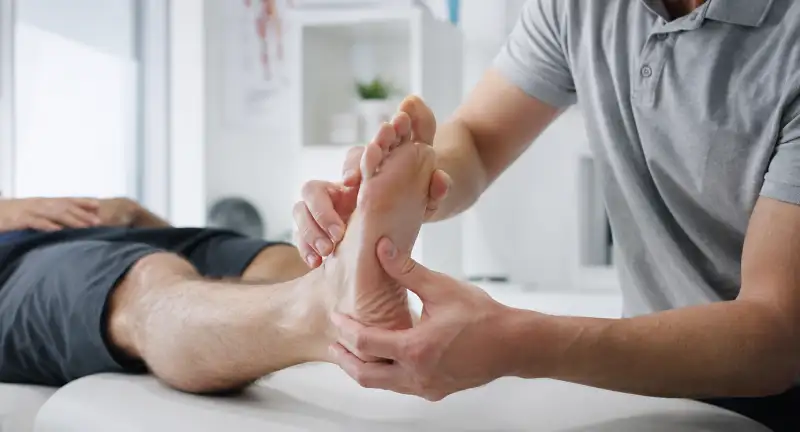
Plantar Fasciitis: Why Rest Alone Won't Fix Your Heel Pain
Rest calms plantar fasciitis for a while, then the heel pain comes back the moment you're back on your feet. This post explains the calf and foot muscle dysfunction that keeps reloading the fascia, and how Softwave therapy and muscle reactivation address it directly.

National Wellness Month: 5 Ways to Build a Body That Recovers Faster
Take advantage of National Wellness Month (August) to explore five key factors that determine how quickly the body recovers from an injury: sleep, protein and hydration, muscle reactivation, targeted therapies (PEMF and Erchonia laser), and daily movement instead of complete rest. The key difference is that pain can disappear without full function returning, because inhibited muscles remain "off" until specifically reactivated. Include a four-week reset (one change per week) and conclude with a note on injury prevention for active Utah athletes who alternate between weekdays at the office and high-impact weekends at the Wasatch.
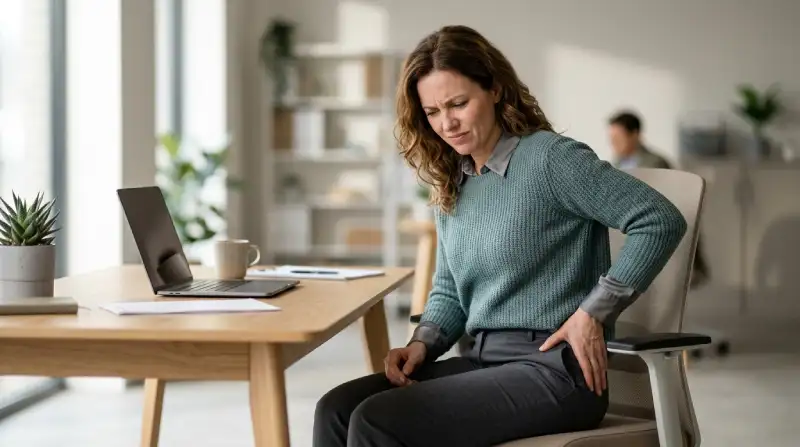
Hip Pain When Sitting or Standing Too Long: Causes and Non-Surgical Solutions
Covers five common causes (bursitis, piriformis syndrome, shortened hip flexors, hip impingement, sacroiliac dysfunction) and argues the issue is usually soft-tissue compression and muscle deactivation rather than joint damage. Solutions include muscle reactivation, soft tissue work, and habit changes like standing up every 30 minutes.
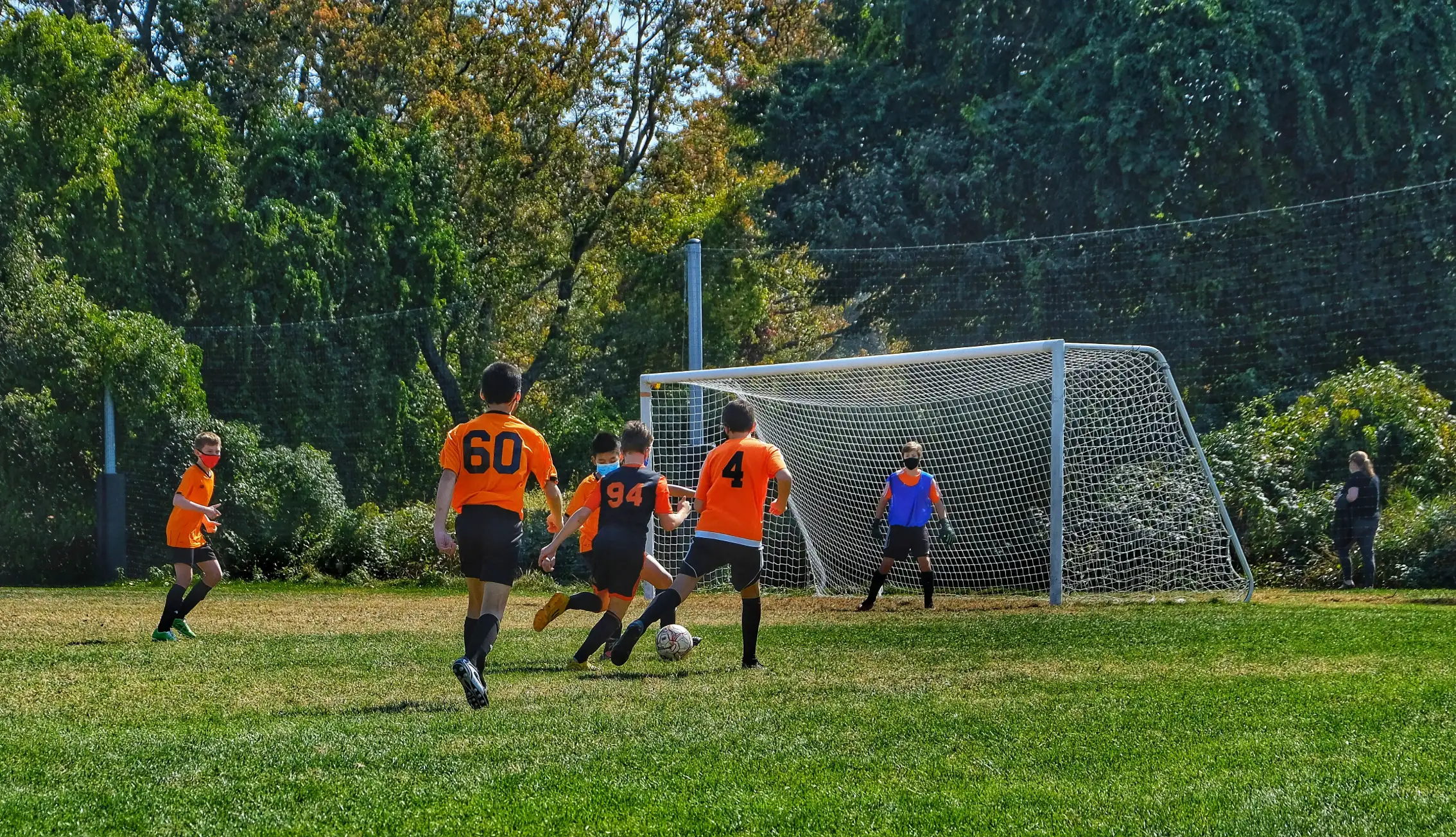
Back to School Sports: How to Prevent Common Youth Sports Injuries
Explains why injuries spike in August and September when kids jump back into intense practice after a lighter summer. Suggests a 2-3 week ramp-up period before two-a-day practices, sport-specific conditioning, and watching for limping, next-morning soreness, or one-sided complaints.

Knee Pain During Running: When to Push Through and When to Stop
Distinguishes normal running discomfort (dull ache around the kneecap, IT band tightness) from warning-sign pain (sharp, localized, rapid swelling, or instability). Recommends not increasing distance and terrain difficulty at the same time, and addressing hip, calf, and shin weakness to fix the root cause instead of just resting.
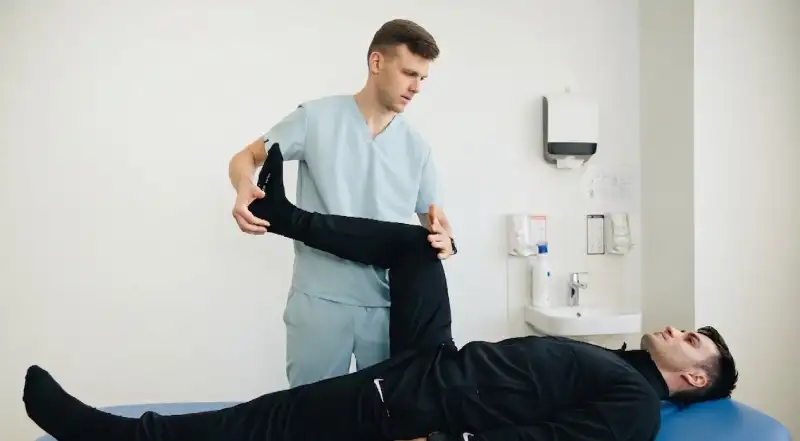
What Is the A.M.I.T. Method and How Is It Different from Chiropractic Care
The AMIT Method and traditional chiropractic care approach pain from different angles: chiropractic corrects joint position directly, while AMIT first identifies and reactivates "inhibited" muscles that stopped firing correctly after an injury. The core idea is that a misaligned joint is often being pulled out of position by a muscle that isn't stabilizing it, not the other way around.
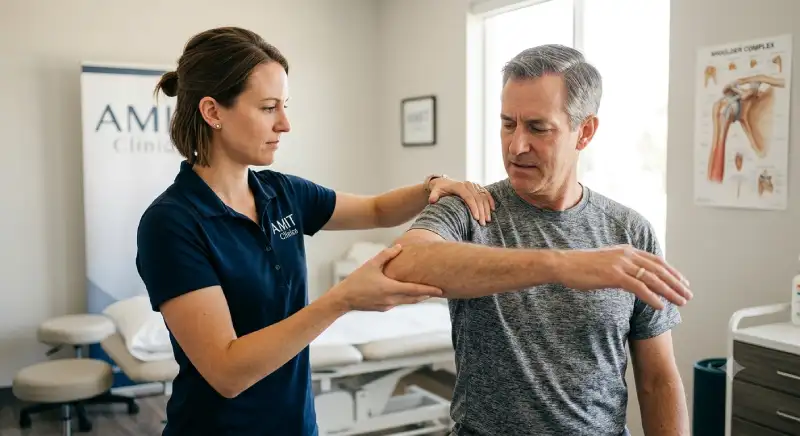
Frozen Shoulder vs Shoulder Impingement: How to Tell the Difference
Both conditions look similar but are told apart by a passive range-of-motion test: with frozen shoulder, passive movement is just as limited as active movement, while with impingement, passive movement is nearly normal. Treatment differs too, gradual stretching for frozen shoulder versus fixing shoulder blade mechanics for impingement.
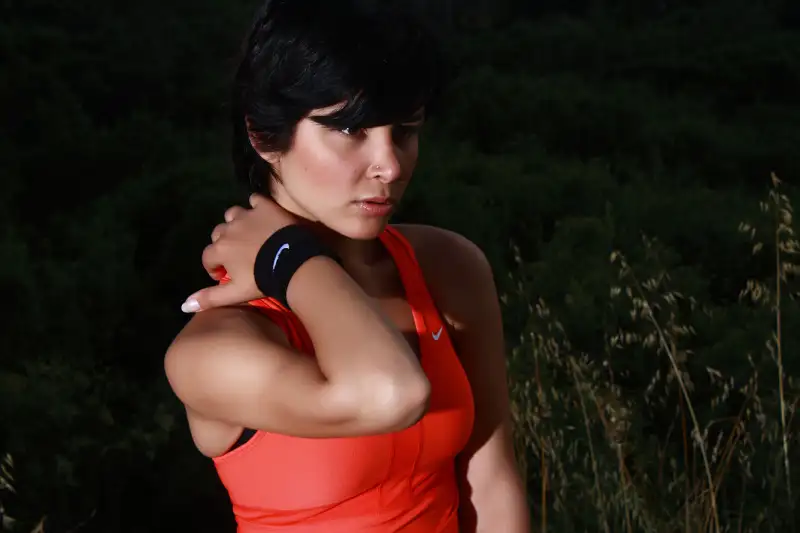
Shoulder Pain That Won't Heal: A Guide for Athletes and Active Adults
Shoulder pain that lingers past a few weeks usually points to rotator cuff damage or impingement, not a pulled muscle. Here's how to tell the difference and what actually resolves it.
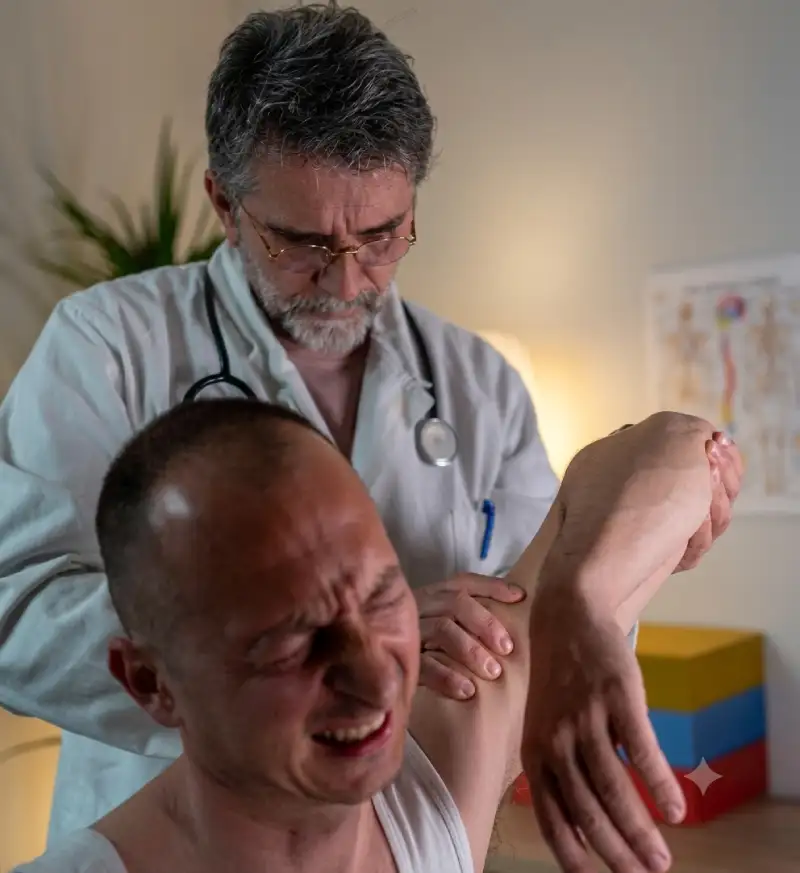
How a Pinched Nerve in Your Neck Affects Your Whole Arm
Neck compression can send pain, numbness and weakness all the way to your fingers. Here is how to tell where the nerve is actually being pinched, and why arm symptoms so often get treated in the wrong place.

Why Your Neck Still Hurts After a Car Accident (Even With a Normal X-Ray)
A clean X-ray after a car accident tells you nothing is broken. It doesn't tell you why your neck still won't turn all the way, or why the headaches started three days later. This post explains the muscle inhibition pattern most standard care misses after whiplash, and why the right evaluation, not just rest, is what actually gets people back to normal.

Neck Pain After a Car Accident: What Most Doctors Miss
Delayed neck pain after a crash isn't "just soreness." Here's what's really happening and what actual recovery looks like.
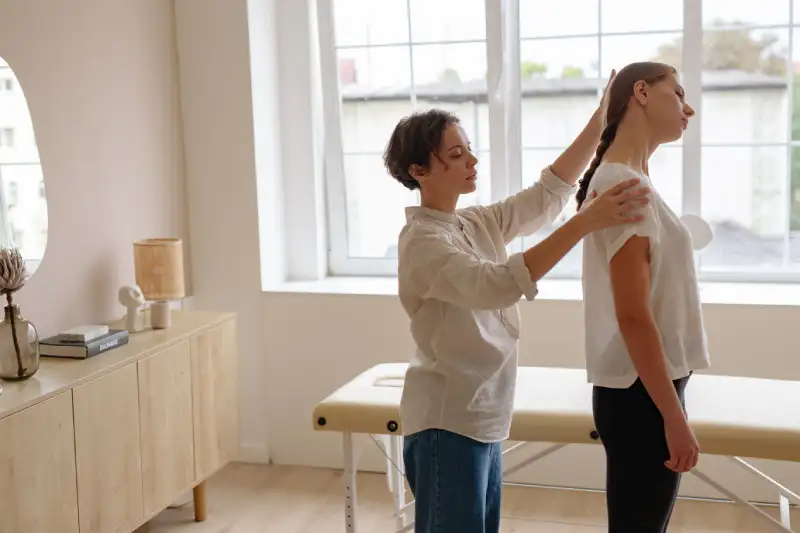
The Real Reason Back Pain Keeps Coming Back After Physical Therapy
Physical therapy helped at first, but if your back pain keeps returning in the same spot, the real issue may be a lumbar disc that was never directly treated. This post explains why standard PT sometimes can't break that cycle and how targeted disc treatment at AMIT Clinics in Draper, UT can.
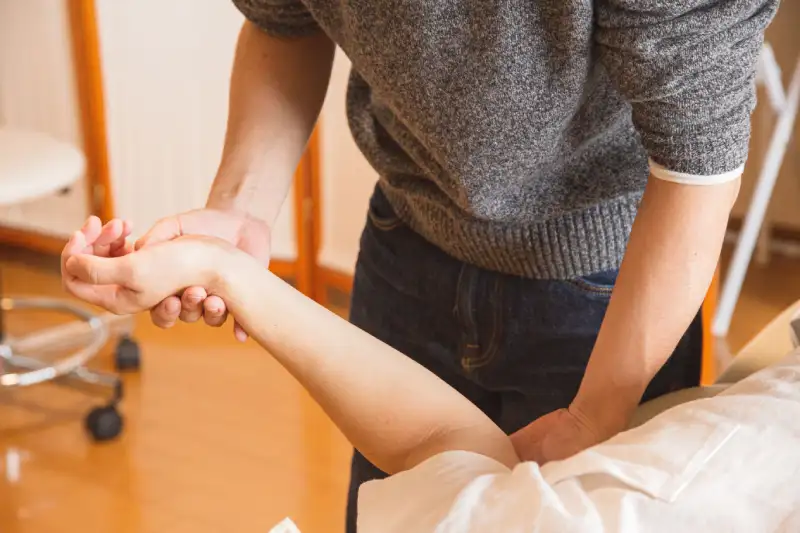
Why Your Muscles Stop Working After an Injury (And How to Get Them Back)
After an injury heals, the muscle tissue often doesn't get the message a protective nerve reflex called muscle inhibition keeps it from firing at full strength, leaving you weak, unstable, or "disconnected" long after the pain is gone. This post breaks down why that happens and how muscle reactivation treatment at AMIT Clinics restores the brain-to-muscle signal so strength training actually sticks.
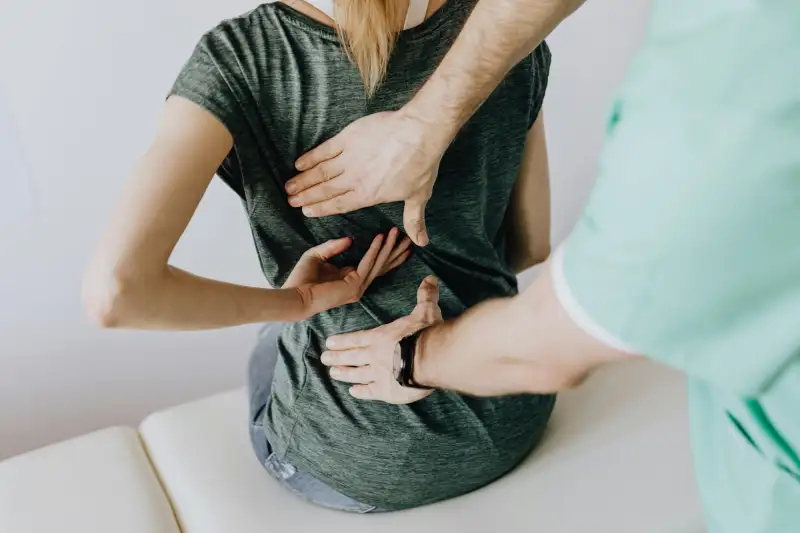
How to Maximize Your Recovery and Savings with Chiropractic Care in Draper & Kaysville, Utah
Muscle bundle packages provide consistent, concentrated treatment for faster recovery while saving money and ensuring results.
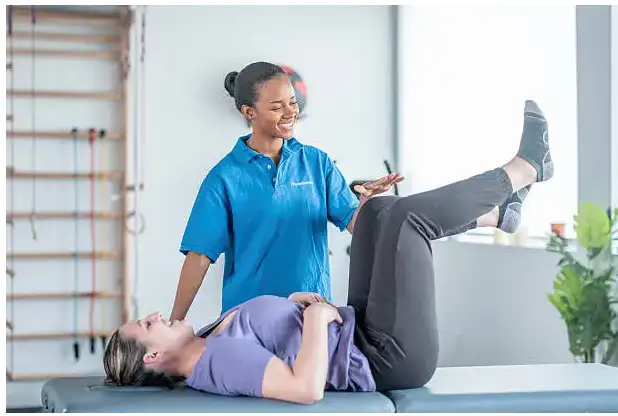
Don't Ignore Your Body's Warning Signs — A Chiropractor Near You in Draper & Kaysville Explains Why Pain Gets Worse
Pain signals underlying problems. Ignoring it worsens issues. AMIT addresses root causes for full recovery.
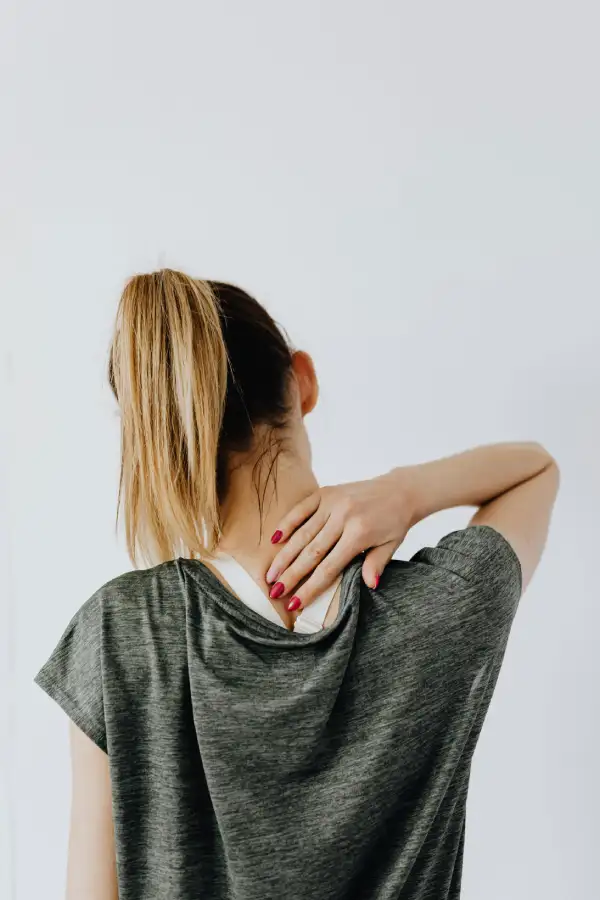
Pain as a Signal, Not the Enemy — What Your Body Is Trying to Tell You
Pain signals underlying issues. Addressing the root causes restores function, rather than just masking discomfort temporarily.
Pain Isn’t a Natural Part of Aging
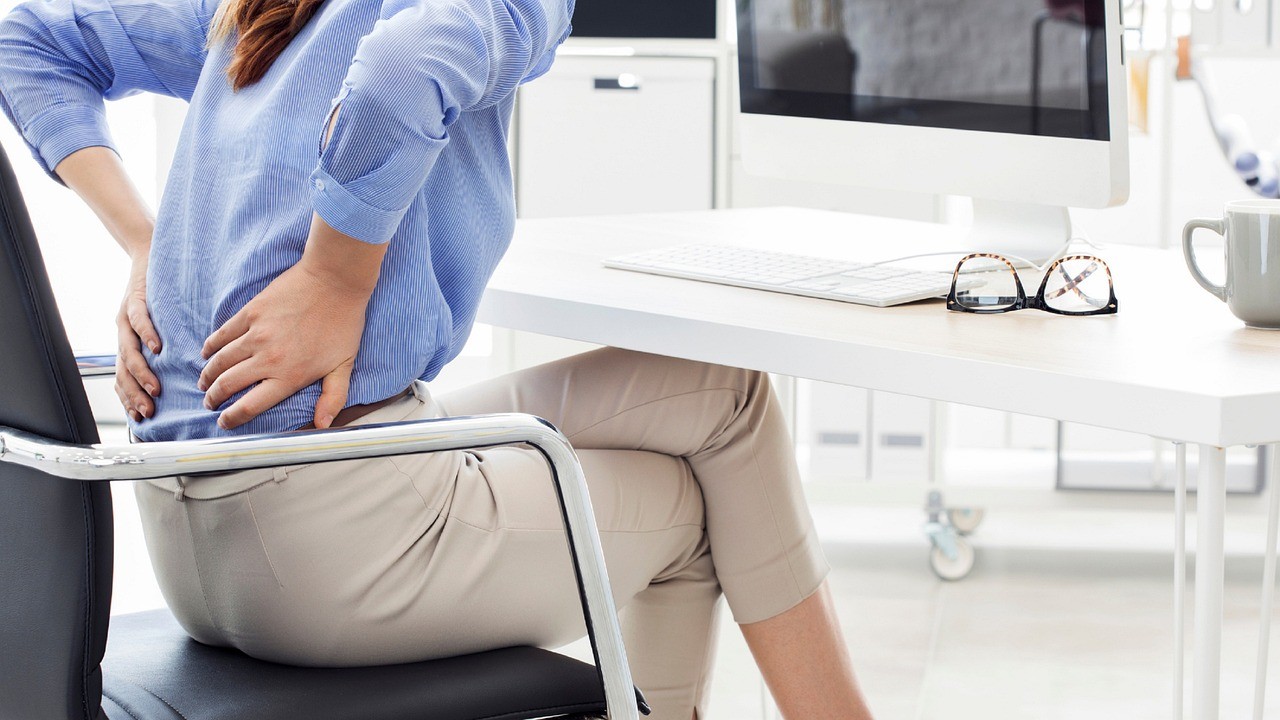
Pain isn’t inevitable with age. Restoring muscle function from past injuries improves mobility and quality of life.
Rest Isn't Enough for True Injury Recovery — What Actually Heals You
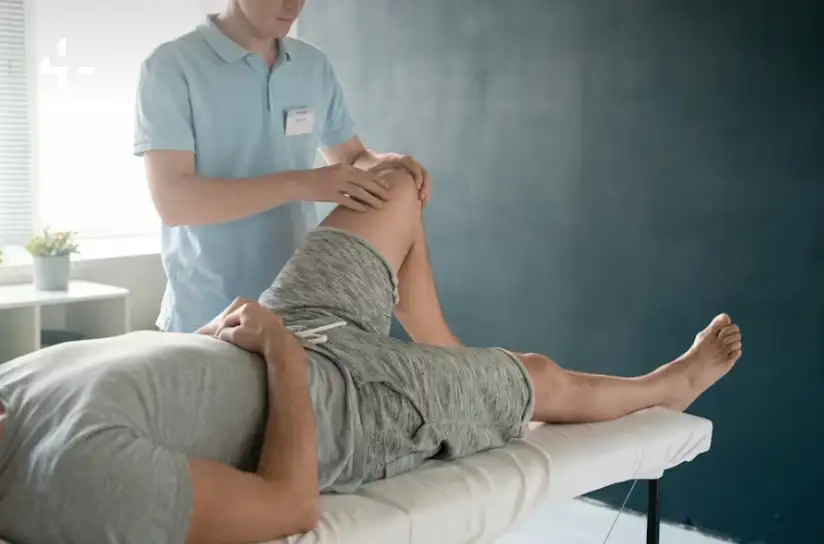
Rest alone eases pain temporarily but doesn’t restore muscle function. Active recovery prevents recurring injuries.
Prevent Old Injuries from Haunting You — A Chiropractor Near You in Draper & Kaysville Explains How
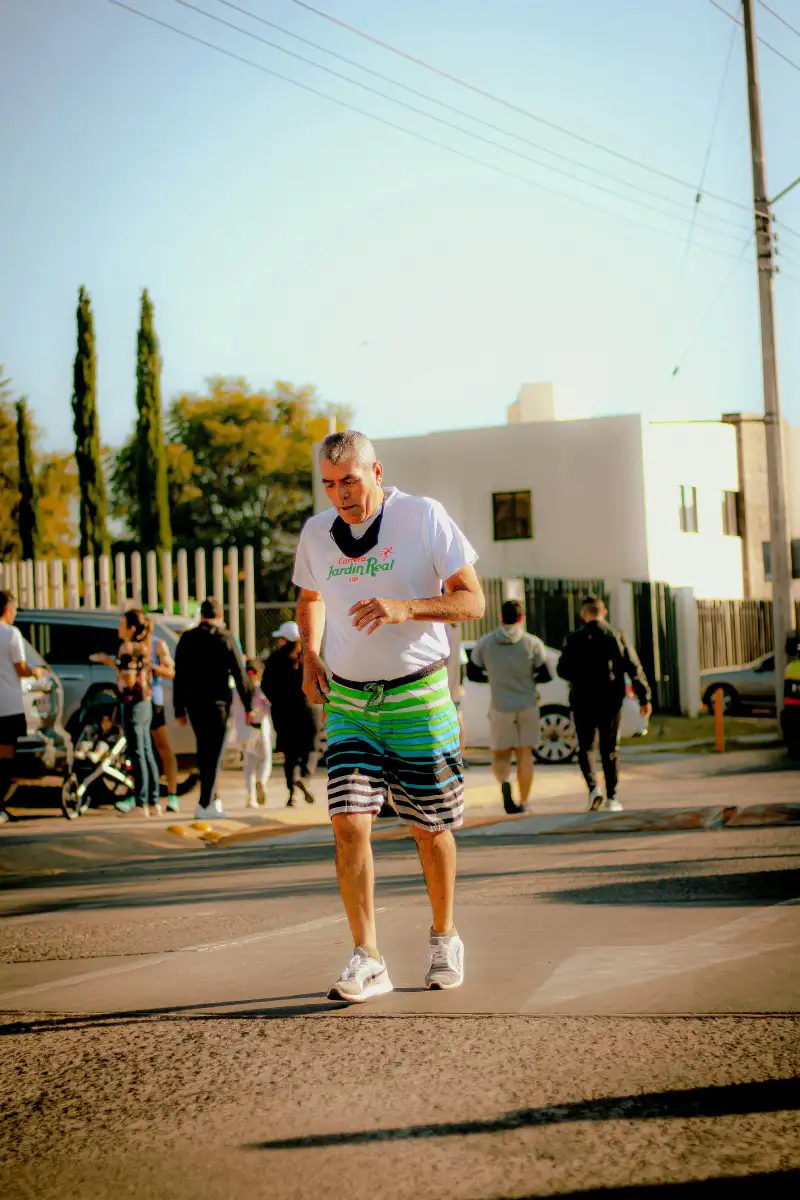
Old injuries reduce muscle function, increasing risk of new problems. Restoring full function keeps you active.
You Don't Have to Endure 'Itis' Pain — A Chiropractor Near You in Draper & Kaysville Explains Why
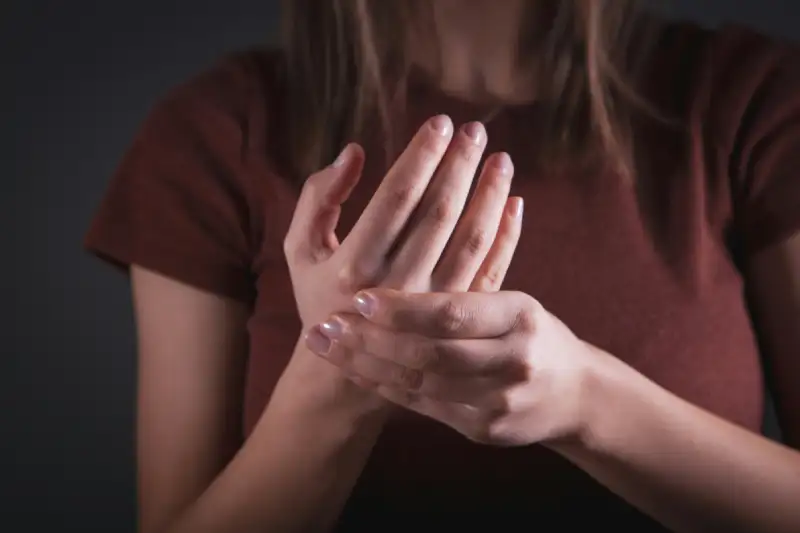
Tendinitis and arthritis pain often persists from nerve and structural changes, and AMIT restores true function.
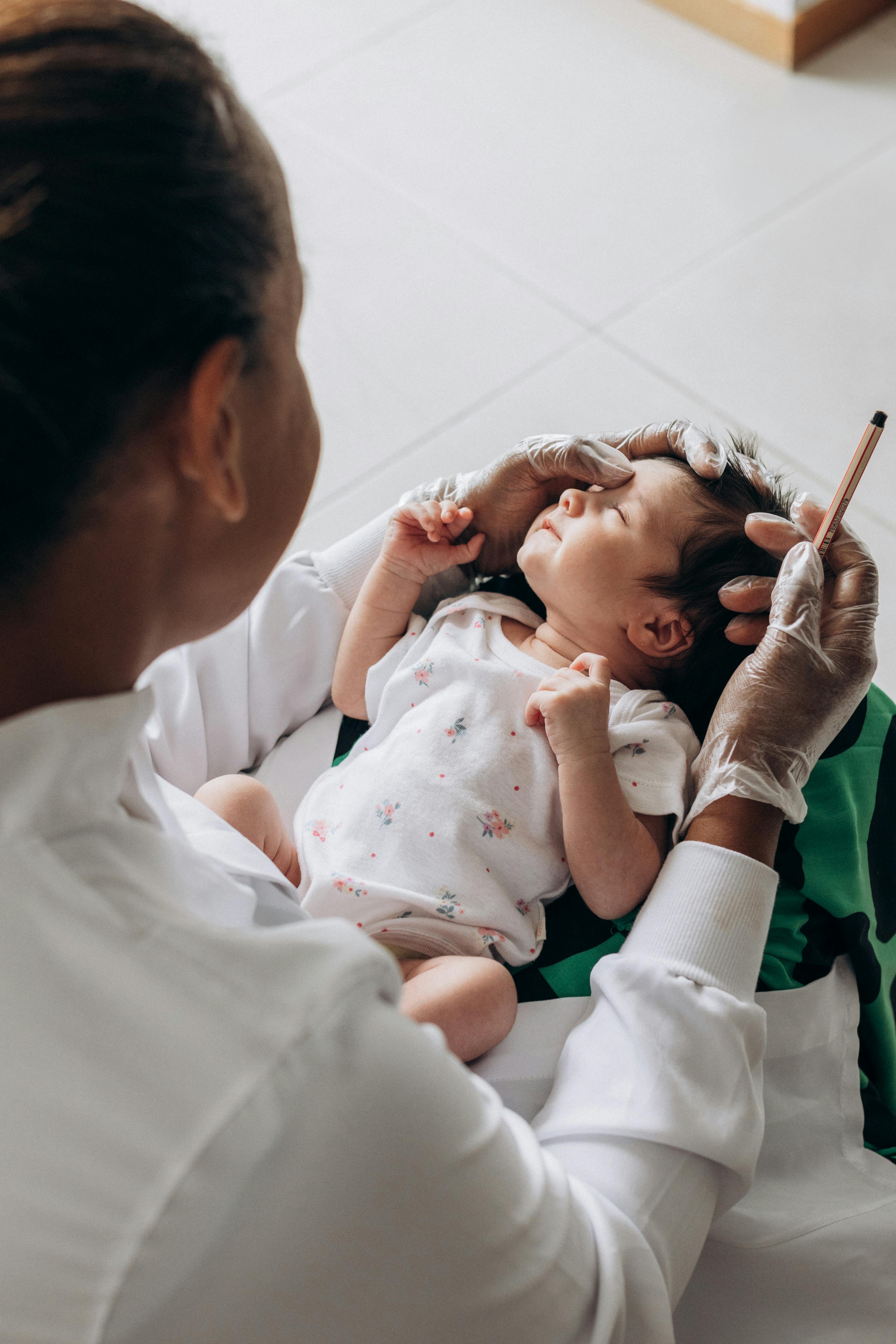
The AMIT Method Unlocked His Speech — With a Balloon. A Story for Every Family That Has Been Told Nothing More Can Be Done.
Will was born with a neurodevelopmental disorder that was transformed by the A.M.I.T. Method.
Waving Six Months of Shoulder Pain Goodbye — How AMIT Clinics in Draper Treated Mary's Frozen Shoulder Without Surgery
Mary's six-month battle with Frozen Shoulder Syndrome had her on the brink of surgery. Her shoulder seemed to cause.
Saving Gameday - How AMIT Clinics in Draper Helped a High School Athlete Avoid Knee Surgery
John, a high school football player, faced a critical crossroad when a knee injury jeopardized his game performance.
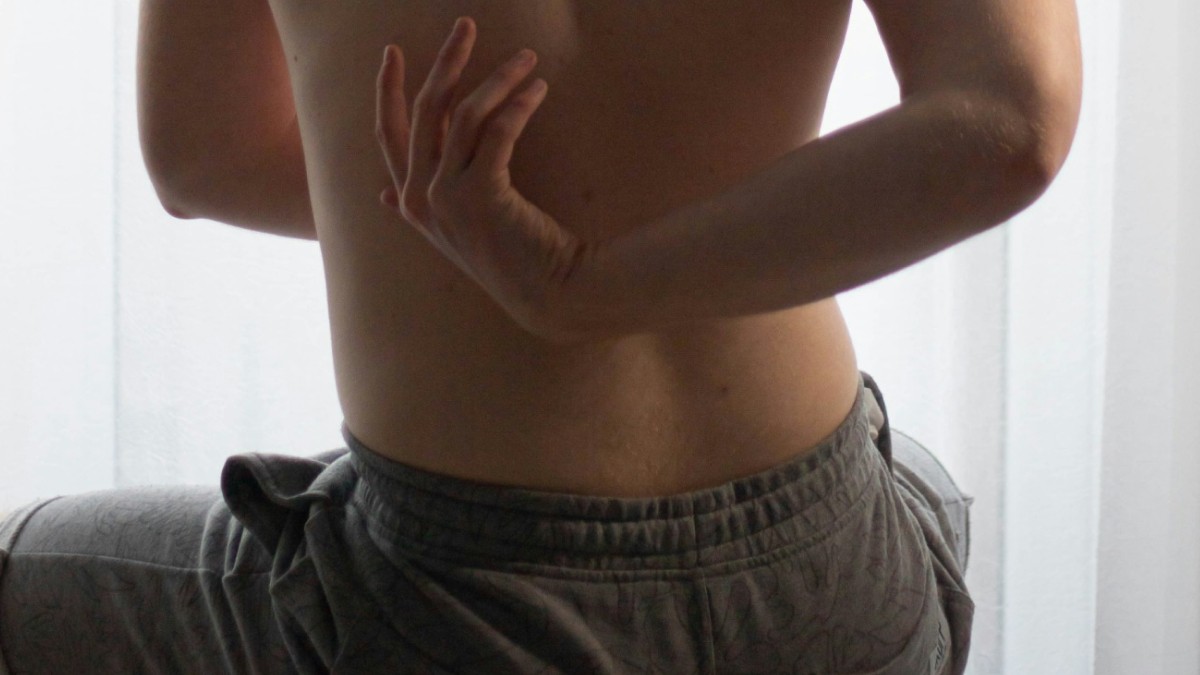
Physical Therapy Did Nothing For His Lower-Back Pain — How AMIT Clinics in Draper Found What Months of Treatment Missed
Fred's struggle with debilitating lower back pain and leg numbness led him through a maze of treatment and care plans.
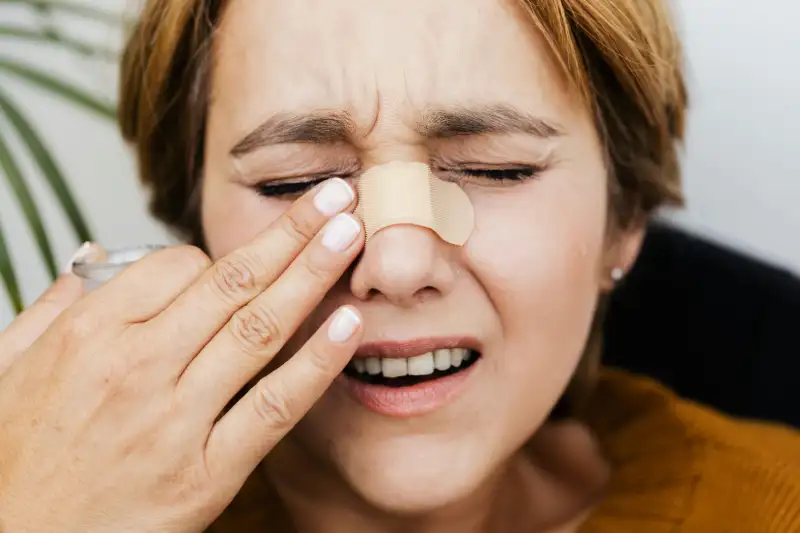
A Concussion Changed Her Personality. The AMIT Method Brought It Back — Post-Concussion Syndrome Treatment in Draper & Kaysville
Discover Judy's incredible journey to healing with the A.M.I.T Method. From post-concussion struggles to a life reclaimed.
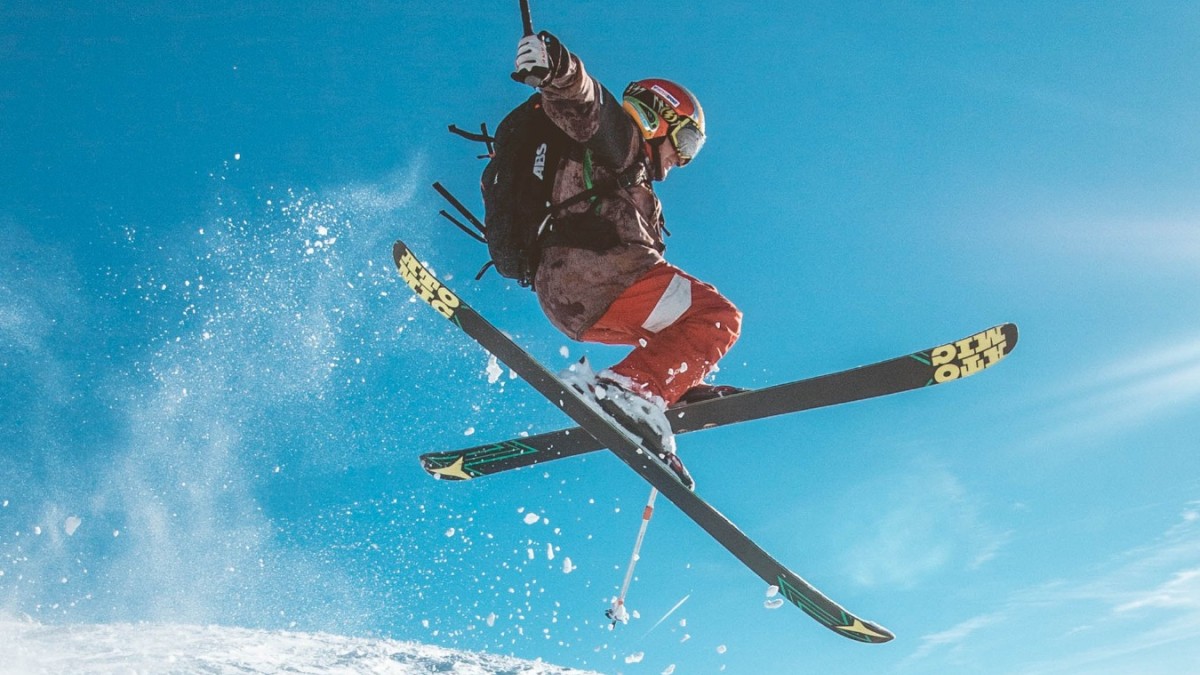
The Doctors Didn't Know What Was Wrong with Her. The AMIT Method in Draper & Kaysville Figured It Out.
Olympian's Mystery Illness Solved: The A.M.I.T Method's remarkable diagnosis and treatment restores hope and functionality.
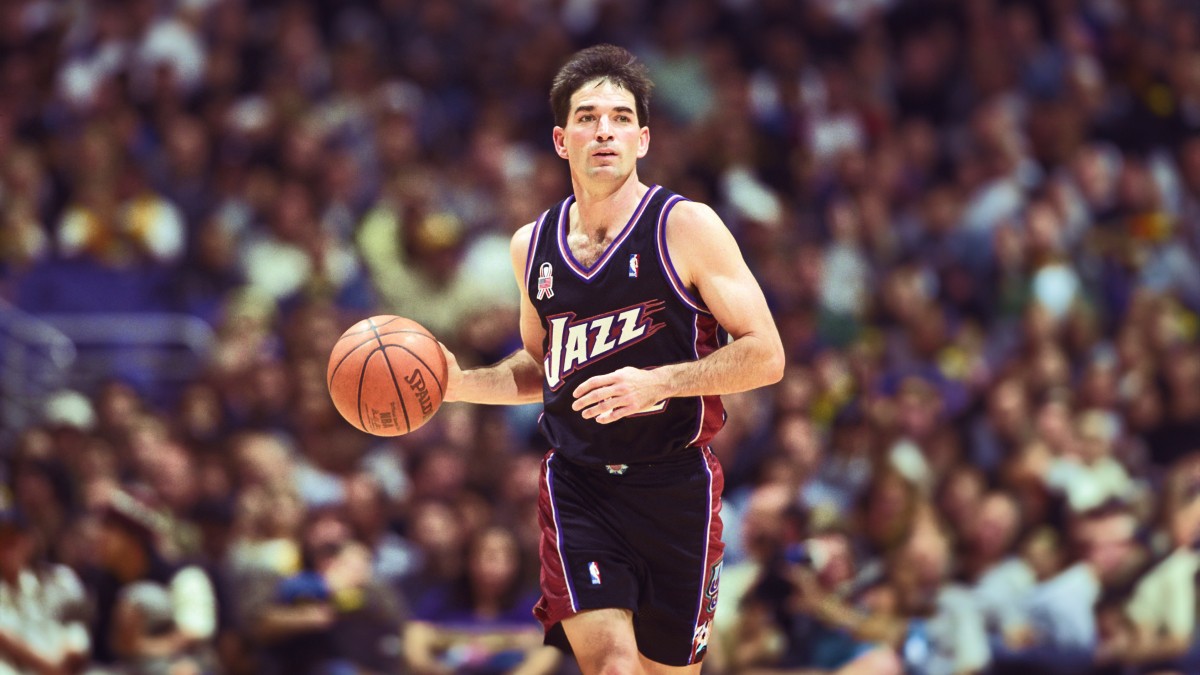
John Stockton Sprained His Ankle in the 1997 NBA Finals. AMIT Had Him Back on the Court in 15 Minutes.
John Stockton's quick recovery from a severe ankle sprain during the 1997 NBA Finals highlights the effectiveness of the A.M.I.T method.