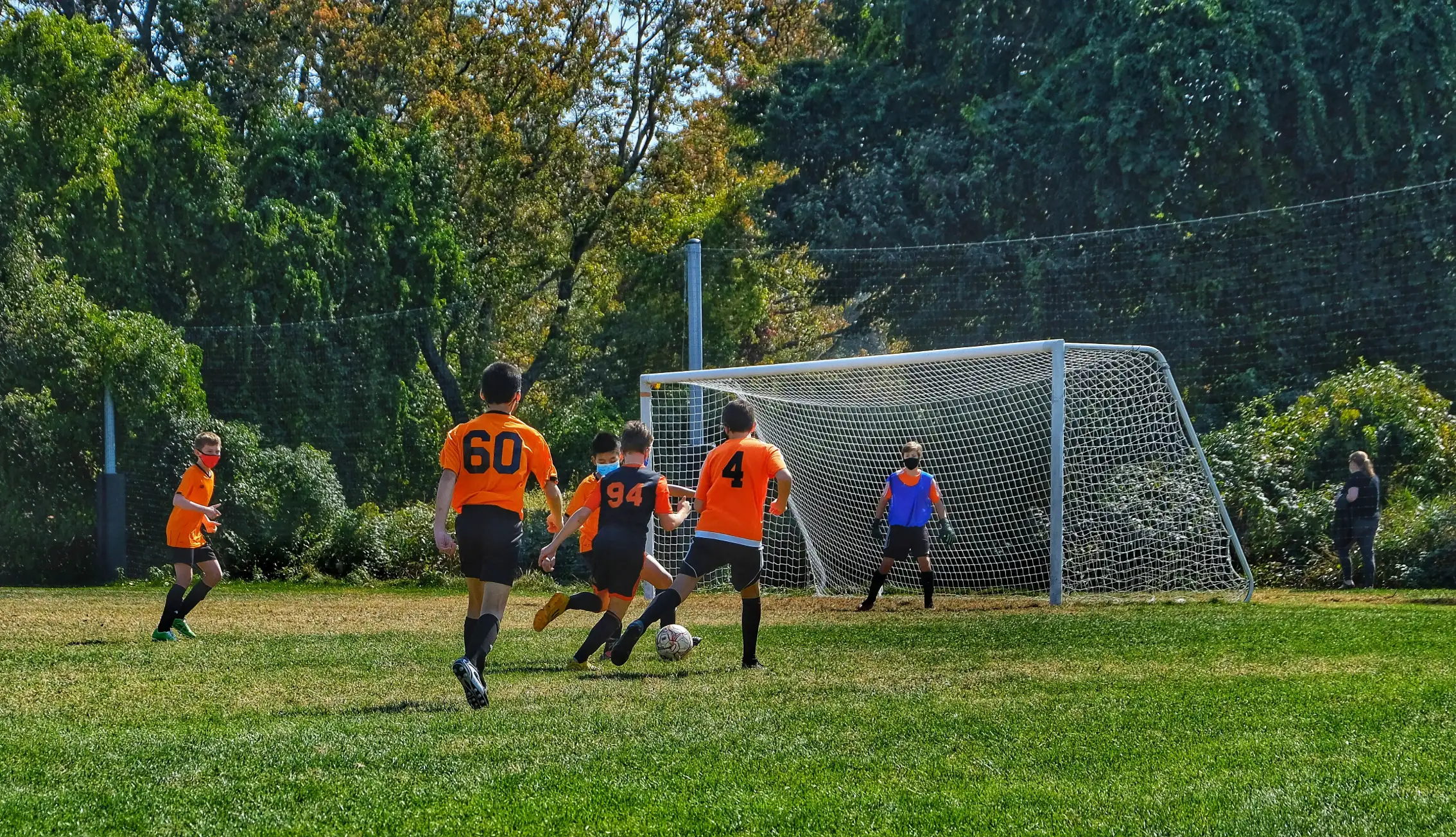
Most youth sports injuries in August and September come from one thing: skipping the conditioning ramp-up after a slower summer. Here's what actually protects young athletes in the first weeks back.
Most back-to-school sports injuries happen because young athletes return to full-intensity practice after a less active summer without a gradual ramp-up period, so the most effective prevention is a two-to-three-week conditioning window before full-contact or full-speed training begins, combined with attention to persistent soreness that doesn't resolve overnight.
Why August and September Are Peak Injury Months
Every year, the same pattern shows up in youth sports clinics across Utah: a sharp increase in injuries within the first few weeks of fall practice starting. It's not a coincidence, and it's not because fall sports are inherently more dangerous than spring or summer ones. It's a conditioning gap.
A student who spent the summer at a moderate activity level, some swimming, some biking, casual pickup games, shows up to the first week of two-a-day practices and asks a body that hasn't handled that volume in months to suddenly perform at full intensity. The tissue, particularly tendons and growth plates in younger athletes, hasn't had time to adapt.
The Injuries We See Most in the First Month of the Season
ACL and other knee ligament injuries. Cutting, pivoting, and jumping sports, soccer, basketball, volleyball, place significant stress on the knee, and fatigue from a sudden jump in training volume increases the risk of the kind of awkward landing or pivot that leads to a ligament injury. ACL injury treatment covers what this injury looks like and the non-surgical paths some cases can take.
Ankle sprains. The most common youth sports injury overall, and one that becomes more likely when an athlete's stabilizing muscles around the ankle haven't been conditioned for the season's cutting and running demands yet. ankle sprain recovery details the recovery process and why re-injury rates are so high when the ankle isn't properly rehabbed the first time.
Shoulder injuries in throwing and overhead sports. Volleyball, baseball, and swimming athletes who ramp up throwing or overhead volume too quickly, especially after a summer with less structured training, are prone to overuse patterns and, less commonly, acute injuries. shoulder injury prevention is one of the more frequent overuse issues in this group.
Growth-plate-related pain. Because youth athletes are still growing, repetitive stress injuries can affect the growth plates themselves, not just muscles and tendons, producing pain at the knee, heel, or hip that responds differently to treatment than an adult version of the same complaint would.
The Conditioning Gap: What It Actually Looks Like
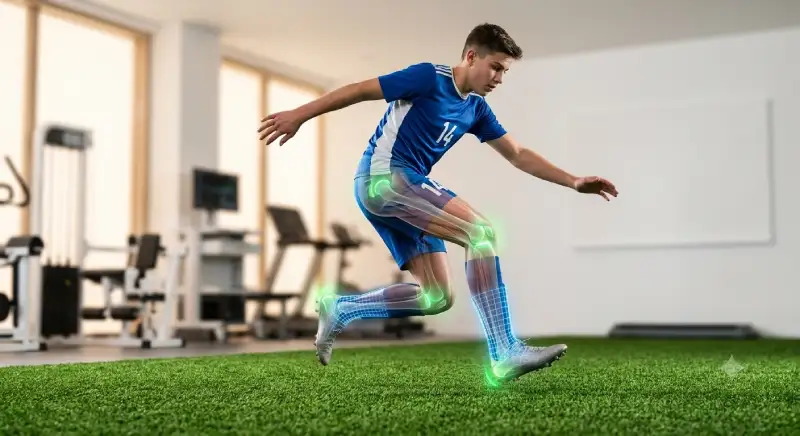
Think of tissue tolerance like a bank account. A summer of lighter activity means smaller weekly deposits. The first week of two-a-day practices is a massive withdrawal, often several times larger than anything the body has handled recently. When the withdrawal is bigger than the account can cover, something gives, usually a tendon, a growth plate, or a stabilizing muscle that wasn't ready for the load.
This is true regardless of how athletic or fit a young athlete looks. General cardiovascular fitness from summer activities doesn't automatically translate to the specific demands of cutting, jumping, and contact that a fall sport requires.
What Actually Reduces the Risk
1. A genuine ramp-up period. Two to three weeks of progressively increasing training volume and intensity, rather than jumping straight into full two-a-days, gives tendons and growth plates time to adapt.
2. Sport-specific conditioning before the season, not just general fitness. Agility, deceleration, and landing mechanics matter more for injury prevention in cutting sports than general cardio does.
3. Taking early soreness seriously. Soreness that fades within a day or two is normal training adaptation. Soreness that persists, worsens, or is localized to one specific spot deserves attention before it becomes a bigger problem.
4. Attention to previous injuries. An ankle or knee that was injured last season and wasn't fully rehabilitated is significantly more likely to be re-injured under the load of a new season.
5. Adequate sleep and nutrition during the transition. The body's ability to adapt to a sudden training load increase depends heavily on recovery outside of practice, something easy to overlook once school schedules add homework and early mornings back into the mix.
A Note for Utah Parents and Coaches
Fall sports in Draper and Kaysville often run alongside a full return to the school schedule, which means young athletes are managing a training load increase and a sleep and stress load increase at the same time. In our experience treating youth athletes at both clinic locations, this combination, more than any single training variable, is often what tips a manageable conditioning gap into an actual injury.
Coaches who build a genuine ramp-up period into the first two to three weeks of practice, rather than treating the first day like week four of the season, consistently see fewer early-season injuries on their rosters. It's a schedule change, not an equipment change, and it costs nothing beyond patience during a period when everyone is eager to get back to full speed.
What Parents Can Watch For During the First Few Weeks
Parents are often the first to notice a pattern before a coach does, simply because they see their athlete outside of practice too. A few signals worth paying attention to during the transition into a new season:
Limping or altered gait after practice. A young athlete who walks noticeably differently after practice, even if they deny pain when asked directly, is showing a sign worth taking seriously. Kids frequently underreport pain, especially early in a season when they're worried about losing playing time.
Complaints that show up the next morning rather than during practice. Growth-plate-related pain in particular often doesn't hurt much during activity but becomes noticeable with stiffness the following day, especially first thing in the morning or after sitting through a few class periods.
Asking to sit out drills they normally enjoy. A young athlete avoiding a specific movement, a certain type of jump, a particular cutting drill, without being asked, is often protecting something that already hurts, even if they haven't said so directly.
One-sided complaints. Pain or stiffness that's consistently on one side rather than general full-body soreness is more likely to represent a developing overuse issue than normal training fatigue, which tends to be more symmetrical.
None of these signs mean an injury has already happened. They mean it's worth a conversation, and possibly a brief evaluation, before the next week of increased training volume compounds whatever is already starting.
Frequently Asked Questions
Why do so many youth sports injuries happen at the start of the season?
Most early-season injuries stem from a conditioning gap, athletes returning to full-intensity training after a less active summer, before tendons, growth plates, and stabilizing muscles have had time to adapt to the sudden increase in demand.
How long should a ramp-up period be before full-intensity practice?
A two-to-three-week progressive increase in training volume and intensity is generally sufficient to meaningfully reduce injury risk compared to jumping directly into full two-a-day practices.
What's the most common youth sports injury?
Ankle sprains are consistently the most common youth sports injury across most sports, largely because they can happen during ordinary cutting and running movements, not just high-impact contact.
Should a young athlete play through soreness at the start of the season?
Mild soreness that fades within a day or two is a normal part of training adaptation, but soreness that persists, worsens, or is localized to one specific spot should be evaluated rather than played through.
Does a previous injury increase the risk of a new one this season?
Yes. An injury from a previous season that wasn't fully rehabilitated, particularly ankle sprains and knee injuries, significantly increases the risk of re-injury once training intensity increases.
Can general summer fitness prevent fall sports injuries?
Not entirely. General cardiovascular fitness helps, but it doesn't fully prepare the body for sport-specific demands like cutting, jumping, and landing mechanics, which require targeted conditioning of their own.