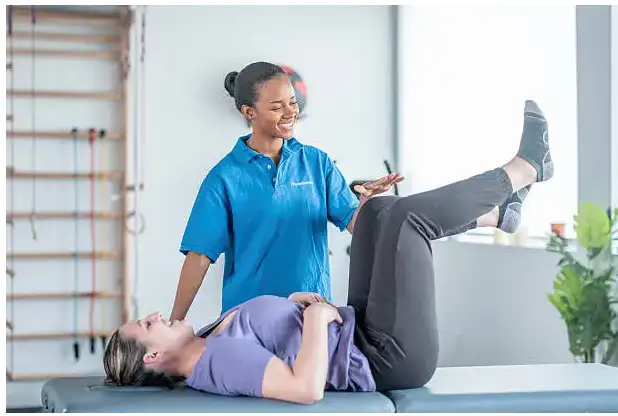
Pain that comes and goes is not pain that is resolving. These are the warning signs that muscle inhibition is already changing how your body moves.
If you're searching for a chiropractor near you in Draper or Kaysville, Utah, there's a good chance you've been living with pain longer than you should have. Pain, whether it's a persistent ache in your back, a shoulder that doesn't move right, a knee that's been bothering you since that old sports injury, or recurring tension that comes back no matter what you try, is never just noise. It's a signal. And at AMIT Clinics, we've built our entire clinical approach around one question: what is that signal telling us?
Musculoskeletal pain, discomfort arising from muscles, joints, tendons, ligaments, and the nerves that control them, is your body's most reliable early warning system. Ignoring it doesn't make the underlying problem go away. In the vast majority of cases, it allows the compensatory patterns that develop around that pain to become the new normal, which is why many patients arrive at our Draper and Kaysville clinics with a problem that started small and grew into something that now affects their work, sleep, and quality of life.
Why Ignored Pain Becomes Recurring Pain - The Muscle Inhibition Cycle
Muscle inhibition, the neurological shutdown of a muscle in response to injury, overuse, or stress, is the clinical mechanism behind most chronic and recurring pain. When a muscle is inhibited, it stops contracting at full strength. Adjacent muscles compensate by working overtime to cover the load. This compensation creates new points of strain, which eventually develop their own dysfunction. Over time, what began as a single inhibited muscle becomes a cascade of imbalances and the original source of pain becomes harder to trace.
This is the cycle that the Advanced Muscle Integration Technique (AMIT) is specifically designed to break. Using precise manual muscle testing, AMIT practitioners at our Draper and Kaysville clinics identify which muscles have inhibited and apply targeted neurological treatment to restore proper activation. Once the inhibited muscle is restored to full function, the compensation chain unwinds and the recurring pain loses its source.
The Warning Signs That Mean Muscle Inhibition Is Already Happening
Most patients experience several of these signals before they seek care and most have been told these sensations are 'just part of getting older' or 'something to manage.' They're not. They're inhibition signals:
Pain or stiffness that returns within days of a massage or adjustment
One side of your body feeling noticeably weaker or tighter than the other
Recurring injuries to the same joint, muscle, or area
A movement that 'catches' or feels unstable, especially in the knee, shoulder, or hip
Fatigue in muscles that shouldn't fatigue during light activity
Pain that migrates, starts in one spot and gradually shifts to another
If any of these patterns are familiar, you're not experiencing inevitable aging — you're experiencing muscle inhibition that hasn't been addressed at its source. Our sports chiropractors and AMIT practitioners in Draper and Kaysville see this presentation every day, and it responds extremely well to treatment when caught before it becomes fully chronic.
AMIT's Solution - Treating the Root Cause, Not the Symptom
Most pain treatment addresses what hurts. AMIT treatment addresses why it hurts. That distinction is the foundation of everything we do at our Draper and Kaysville chiropractic clinics and it's why patients who have tried conventional adjustments, physical therapy, cortisone injections, or anti-inflammatory medication often find AMIT to be the first approach that produces lasting results.
Your AMIT practitioner begins with a comprehensive muscle assessment — testing specific muscles throughout your kinetic chain to identify which are inhibited and which are compensating. This assessment tells us not just where your pain is, but what your body has been doing around that pain. From there, treatment restores proper neurological activation to the inhibited muscles, removes the compensation load from the surrounding tissue, and gives your system the functional foundation it needs to stop producing the warning signals you've been experiencing.
The results are measurable range of motion improves, strength returns, and the recurring patterns that brought youff in stop recurring. Because we're resolving the mechanism, not suppressing the signal.
Warning Signs by Condition - When to Stop Waiting and Seek Care
Here's what 'don't ignore it' actually looks like across the most common conditions we treat at AMIT Clinics in Draper and Kaysville:
Chronic Back Pain
Back pain that persists beyond 6–8 weeks without improvement is no longer acute, it's chronic. At that point, the original injury has typically healed, but the muscle inhibitions and compensatory patterns it created have not. Chronic back pain treatment with AMIT targets those compensatory patterns directly, producing the resolution that adjustment and rest alone don't achieve. Most chronic back pain patients see meaningful improvement within 6–10 AMIT sessions.
Recurring Sports Injuries
The most dangerous words in sports injury recovery are 'I've had this before.' Recurring injuries, the same ankle sprain, the same shoulder flare-up, the same knee pain — are the clearest signal that the original injury was never fully resolved at the muscle level. Our sports chiropractor team at AMIT Clinics uses AMIT assessment to find the inhibited muscles that make each re-injury possible and treats at that level, not just the symptomatic tissue. Athletes in Salt Lake County, Draper, and Kaysville rely on this approach to break the injury cycle for good.
Sciatica and Radiating Pain
Sciatica, pain radiating from the lower back through the hip and down the leg — is a warning sign that spinal nerve compression and muscle imbalance are both present. Ignoring sciatica allows the muscular compensation around the affected nerve to compound, making treatment progressively more involved. Early intervention with AMIT-based sciatica treatment in Draper and Kaysville typically produces significant relief within 3–5 sessions and full resolution within 8–12.
Shoulder, Knee, and Hip Pain
Joint pain in the shoulder, knee, or hip is almost always accompanied by muscle inhibition in the surrounding musculature, the muscles that are supposed to stabilize and protect that joint. When those muscles inhibit, the joint absorbs forces it was never designed to handle alone. This is how 'mild' joint discomfort becomes the kind of degeneration that ends in surgery recommendations. AMIT addresses the muscle inhibition before the joint pays the price.
Neck Pain and Headaches
Cervical muscle inhibition is one of the most common and most overlooked causes of both chronic neck pain and tension headaches. When the deep stabilizing muscles of the cervical spine inhibit, the superficial muscles take over, producing the constant tension, limited rotation, and headaches that many patients accept as a permanent condition. AMIT restores proper cervical muscle function and consistently resolves the tension pattern driving both complaints.
What Patients Experience When They Stop Ignoring the Signals
The patients who make the fastest recoveries at AMIT Clinics in Draper and Kaysville are not always the ones with the least severe conditions. They're the ones who stopped ignoring their warning signs before the compensation patterns became fully entrenched.
We regularly see patients who spent months managing pain with ice, stretching, and over-the-counter medication, only to find that within a few AMIT sessions, the recurring pattern they had accepted as normal simply stopped. Not because we suppressed the signal, but because we removed the source.
One patient described it this way: 'After just a few sessions, I felt revitalized and ready to tackle my activities again.' That experience, returning to the activities pain had taken away, is what we're aiming for on every case.
If you've been living with a warning sign you've been meaning to address, the most important thing we can tell you is this: the compensation your body has built around that pain is not permanent, but it does get harder to unwind the longer it goes untreated.
Frequently Asked Questions
Why does my pain keep coming back even after treatment?
Recurring pain almost always indicates muscle inhibition that hasn't been addressed at its source. When a muscle inhibits, adjacent muscles compensate, creating new tension patterns that produce pain even after the original injury has healed. Standard treatment relieves the symptom but not the compensation. AMIT treatment identifies and restores the inhibited muscle directly, which removes the source of the recurring pattern rather than suppressing its signal.
What are the warning signs that I should see a chiropractor?
Key warning signs include: pain lasting more than 2–3 weeks without improvement; pain that returns within days of massage or adjustment; recurring injury to the same area; asymmetrical weakness or tightness (one side noticeably worse); joint instability or 'catching'; and pain that migrates or shifts over time. Any of these signals indicates an underlying muscle inhibition pattern that is unlikely to resolve without targeted treatment. AMIT Clinics in Draper and Kaysville offer same-week assessments for patients experiencing these symptoms.
How is AMIT different from regular chiropractic for chronic pain?
Regular chiropractic focuses primarily on spinal joint alignment. AMIT (Advanced Muscle Integration Technique) works at the neuromuscular leve, identifying which muscles have inhibited and restoring their neurological activation. For chronic pain, which is almost always driven by long-standing muscle inhibition and compensation patterns, this distinction matters significantly. Patients who have received standard chiropractic without lasting results frequently experience different outcomes with AMIT.
Can recurring sports injuries be permanently resolved, or do I just have to manage them?
Recurring sports injuries can be permanently resolved when treated at the muscle level. The reason most recurring injuries recur is that the inhibited muscles that made the original injury possible were never restored to full function. AMIT treatment identifies those muscles, restores activation, and removes the mechanical vulnerability for re-injury. Athletes at all levels, recreational to competitive, achieve lasting results with this approach at our Draper and Kaysville sports chiropractic clinics.
How long does it take to resolve chronic back pain with AMIT?
Most chronic back pain patients (pain lasting more than 6 months) see meaningful functional improvement within 6–10 AMIT sessions. Full resolution typically occurs within 10–16 sessions for long-standing cases. Acute back pain (onset within 4–6 weeks) responds faster, typically 4–8 sessions. Recovery timelines depend on the duration of the original problem, the extent of compensation that has developed, and consistency of treatment. Our muscle bundle packages are structured around these clinical timelines.
Do you treat patients in Draper, Kaysville, and surrounding areas of Salt Lake County?
Yes. AMIT Clinics has locations in both Draper and Kaysville, Utah, serving patients throughout Salt Lake County, Davis County, and the greater Wasatch Front. We accept most major insurance plans and offer same-week appointments for new patients experiencing pain or recurring injury symptoms. Contact us to schedule your AMIT assessment.