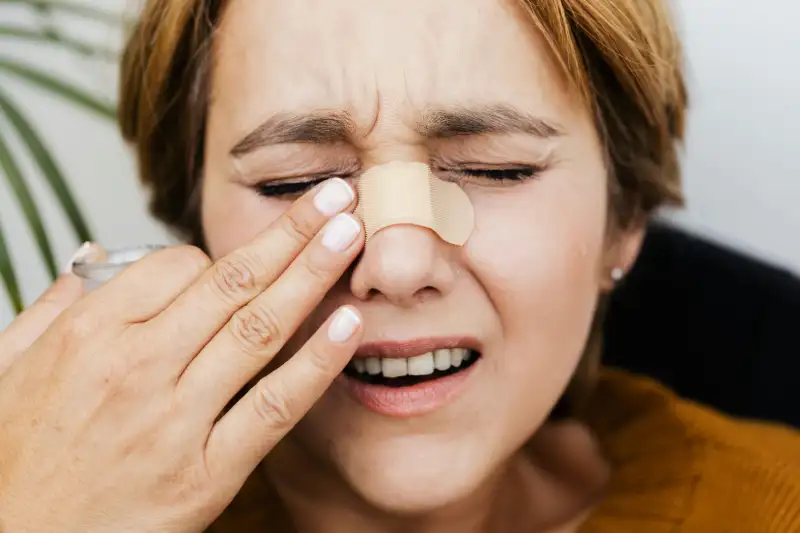
Judy's concussion changed her personality, not just her head. Post-concussion syndrome is often a cranial problem that standard concussion care never evaluates.
Judy was a soccer player in Draper, Utah, when a collision on the field gave her a concussion that changed her life. Not immediately, the initial injury was treated through standard concussion protocols. But the symptoms that followed in the weeks and months after the collision were not resolving the way they were supposed to. Severe headaches. Personality shifts that her family and friends noticed. Focus problems that affected her schoolwork. Dizziness. Chronic fatigue. This cluster of persistent symptoms that follow a concussion beyond the expected recovery window has a name: post-concussion syndrome.
Post-concussion syndrome the continuation of concussion symptoms for weeks, months, or years after the initial injury affects an estimated 10–15% of concussion patients, with higher rates in female athletes and those with repeated head impacts. Standard concussion protocols (rest, graduated return to activity, symptom management) are designed for the acute phase. For patients like Judy, whose symptoms persist well beyond the expected recovery timeline, they offer little. What Judy needed — and what AMIT Clinics in Draper and Kaysville was able to provide — was an assessment that looked beyond the standard concussion protocol to what was actually maintaining her symptoms.
Why Standard Concussion Care Wasn't Enough for Judy's Recovery
Standard concussion management is designed around the brain's acute inflammatory and metabolic response to impact — rest to reduce neurological demand, graduated return to activity as symptoms subside, and monitoring for signs of serious structural injury. For the majority of concussions, this protocol is appropriate and sufficient. The brain recovers, symptoms resolve, and the athlete returns to full activity within days to weeks.
For post-concussion syndrome patients like Judy, the acute phase is over — but the symptoms persist. The standard protocol has nothing specific to offer at this stage beyond continued rest, symptom management, and time. What it does not assess is whether the impact produced mechanical changes in the cranial structures that are now maintaining the symptoms: specifically, whether the cranial sutures — the fibrous joints between the bones of the skull — have been compressed or fixated by the force of the collision.
Cranial suture fixation — the restriction of normal micromotion between the bones of the skull following trauma — disrupts the gentle pulsatile movement of the cranial bones that facilitates cerebrospinal fluid (CSF) circulation and dural tension normalization. When sutures fixate, this movement is restricted. CSF circulation is impaired. Intracranial pressure dynamics change. The result can be exactly what Judy was experiencing: persistent headaches, brain fog, dizziness, fatigue, and the cognitive and personality changes that reflect a brain operating under abnormal mechanical and fluid pressure conditions.
Unveiling the Root Cause
An evaluation revealed fixated sutures in Judy's skull, a consequence of the traumatic soccer collision.
Palpation of these fixations elicited significant pain, leading to a cascade of symptoms collectively known as "post-concussion syndrome."
The A.M.I.T Method-certified practitioners identified the fixated sutures as the crux of Judy's suffering.
The procedure known as "Nasal-Specific" emerged as the beacon of hope to unlock these fixations and restore normal cranial motion.
A.M.I.T's Nasal Specific Procedure
The Nasal-Specific procedure involves inserting a small balloon into the nasal passages. Rapid inflation and release of the balloon pressurize the skull and release fixated sutures and expanding chambers.
Judy's emotional response after the procedure was telling—
Tears flowed, not from pain, but from the relief of escaping months of relentless headaches
Her breathing improved
Her brain fog
Why This Procedure Releases Fixated Cranial Sutures
The nasal passages are bordered by the sphenoid bone — the central bone of the cranial base that articulates with virtually every other bone in the skull. By inflating a small balloon in the nasal passages, the Nasal-Specific procedure exerts gentle pressure on the sphenoid, which transmits through its articulations to the entire cranial suture network. This mobilization releases suture fixations throughout the skull in a way that external cranial manipulation cannot reach — because the sphenoid's central position means it can influence the entire cranial mechanism from the inside.
For Judy, the procedure released the fixated sutures that the soccer collision had created. The rapid improvement in her breathing, the immediate reduction in headache pressure, and the clearing of brain fog all reflect the restoration of normal cranial bone micromotion and CSF circulation that the fixation had been blocking for months. Her emotional response — tears from relief, not pain — was the nervous system's response to a mechanical restriction that had been maintaining her symptoms finally being released.
Judy's Transformation
Judy's follow-up appointment brought tears of joy. Her carefree personality had returned and her father attested to the positive changes in her well-being.
Back in school full-time, Judy's friends noted her fun-loving spirit was rekindled. The brain fog vanished and her thinking returned to normal. The A.M.I.T Nasal-Specific treatment had given Judy and her family their daughter back.
Recognizing Post-Concussion Syndrome — Symptoms, Populations, and When to Seek Assessment
Post-concussion syndrome is defined by the persistence of concussion symptoms beyond the expected recovery window — typically more than 4 weeks after the injury. It is more common than most patients and families realize, and it is frequently under-diagnosed because its symptoms — headaches, brain fog, personality changes, mood instability, sleep disruption, dizziness, light sensitivity, and fatigue — overlap with many other conditions and are not always connected back to a head injury that may have occurred months earlier.
Populations at Higher Risk
Female athletes — girls and women have higher post-concussion syndrome rates than males across all sports, including soccer, basketball, and volleyball
Athletes with repeated sub-concussive impacts, even without a diagnosed concussion
Patients who returned to activity before symptoms fully resolved
Anyone with a history of migraines, anxiety, or prior concussions
Adults with whiplash-associated head impacts (vehicle accidents, falls)
Symptoms That Suggest Cranial Suture Assessment May Help
If any of the following symptoms have persisted for more than 4 weeks following a head impact — with or without a formal concussion diagnosis — a cranial suture assessment at AMIT Clinics in Draper or Kaysville may be the next appropriate step:
Persistent headaches or head pressure that don't respond to standard treatment
Brain fog, difficulty concentrating, or memory issues
Personality changes, mood instability, or irritability that were not present before the injury
Dizziness or balance issues that persist beyond the acute recovery phase
Chronic fatigue disproportionate to activity level
Sleep disruption or changes in sleep architecture
Light or noise sensitivity that has not resolved
Why It Matters
Post-concussion syndrome carries a profound impact on daily life and is often unaddressed by standard protocols. The Nasal-Specific treatment goes beyond symptom management. It offers a pathway to restoring normalcy and joy in patients' lives. The A.M.I.T Method’s Nasal Specific Treatment offers transformative relief:
Identification of Root Cause: A.M.I.T-certified doctors pinpointed fixated sutures as the source of post-concussion symptoms.
Nasal Specific Procedure: A unique and effective approach involving a balloon inserted into nasal passages to release fixated sutures.
Immediate Relief and Emotional Impact: Judy's physical and emotional relief after the procedure spoke volumes about the immediate and profound impact on her symptoms.
Frequently Asked Questions About Post-Concussion Syndrome & AMIT Nasal-Specific Treatment
What is post-concussion syndrome and how long does it last?
Post-concussion syndrome is the persistence of concussion symptoms — headaches, brain fog, dizziness, fatigue, personality changes, focus problems — for more than 4 weeks after the initial head injury. It affects an estimated 10–15% of concussion patients, with higher rates in female athletes. Without specific treatment of any underlying mechanical causes (such as cranial suture fixation), post-concussion syndrome can persist for months or years. Judy's symptoms lasted for months before AMIT assessment identified fixated cranial sutures as the maintaining mechanism, and the Nasal-Specific procedure provided resolution within a single treatment.
Can a chiropractor treat post-concussion syndrome?
AMIT-certified practitioners at AMIT Clinics in Draper and Kaysville can assess and treat the cranial component of post-concussion syndrome — specifically, fixated cranial sutures that develop as a result of the impact force and that maintain symptoms after the acute inflammatory phase has resolved. This is distinct from standard chiropractic adjustment. AMIT assessment includes evaluation of cranial suture mobility, identification of fixations, and application of the Nasal-Specific procedure to restore normal cranial bone micromotion and CSF circulation. For patients like Judy who have not responded to standard concussion protocols, this assessment represents a clinically meaningful alternative.
What is the Nasal-Specific procedure for post-concussion treatment?
The Nasal-Specific procedure involves inserting a small, finger-cot balloon into the nasal passages and briefly inflating it to exert gentle pressure on the sphenoid bone — the central bone of the cranial base that articulates with virtually every other bone in the skull. This pressure releases fixated cranial sutures throughout the skull, restoring normal micromotion between cranial bones and facilitating proper cerebrospinal fluid (CSF) circulation. For post-concussion syndrome patients with cranial suture fixation, this procedure often produces immediate symptom relief — as Judy experienced with her headaches, breathing, and brain fog clearing following treatment.
What are the symptoms of cranial suture fixation after a concussion?
Cranial suture fixation following a concussion or head impact can produce symptoms including persistent headaches (especially pressure-type or those that worsen with position change), brain fog and cognitive slowing, dizziness or balance disturbance, mood and personality changes, chronic fatigue, and sleep disruption. These symptoms reflect the impaired CSF circulation and altered intracranial pressure dynamics that result when cranial sutures are prevented from their normal micromotion. Palpation of the fixated sutures typically elicits significant tenderness — as it did with Judy during her AMIT evaluation.
My child had a concussion and isn't back to normal. What should I do?
If your child's concussion symptoms — headaches, brain fog, personality changes, focus problems, dizziness, or fatigue — have persisted for more than 4 weeks despite following standard concussion protocols, a cranial suture assessment with AMIT Clinics in Draper or Kaysville is a clinically appropriate next step. Judy's family pursued this assessment after standard protocols provided no relief, and the assessment identified fixated cranial sutures that the Nasal-Specific procedure was able to release. AMIT Clinics offers same-week assessments for post-concussion patients who have not responded to standard care.
Where can I find post-concussion syndrome treatment near me in Draper or Kaysville?
AMIT Clinics has locations in both Draper and Kaysville, Utah, providing AMIT-based post-concussion assessment, cranial suture evaluation, and the Nasal-Specific procedure for patients throughout Salt Lake County, Davis County, and the greater Wasatch Front. We specialize in post-concussion syndrome cases that have not responded to standard protocols. Same-week appointments are available for patients experiencing persistent concussion symptoms. Contact AMIT Clinics to schedule your cranial assessment.