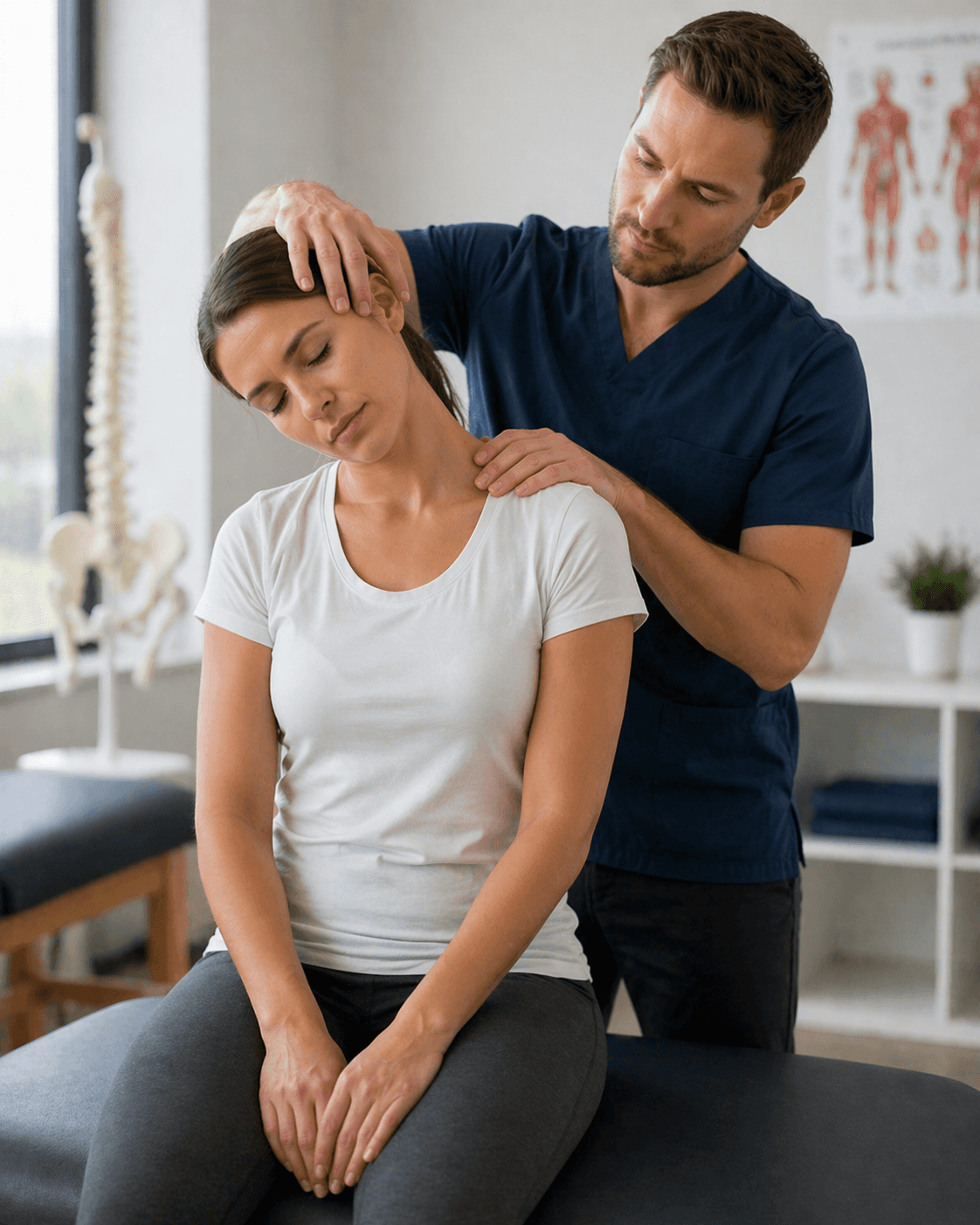
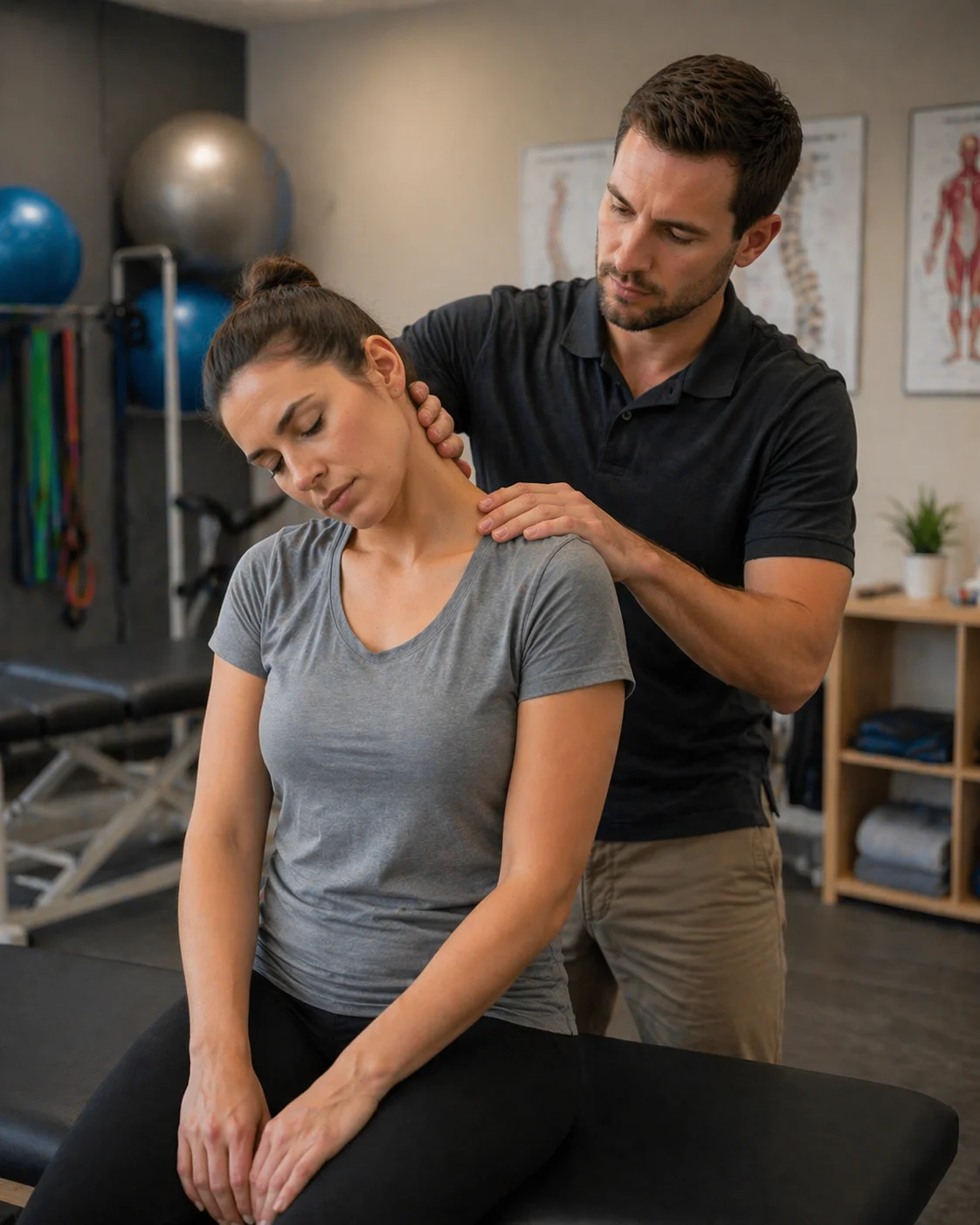
A cervical sprain or strain — injury to the neck’s ligaments or muscles — is common after whiplash, a sports impact, or prolonged repetitive stress. Symptoms are neck stiffness, pain, and reduced range of motion.
AMIT care restores proper muscle activation around the cervical spine to break the compensation patterns that keep recovery stalled.
Cervical Disc Herniation
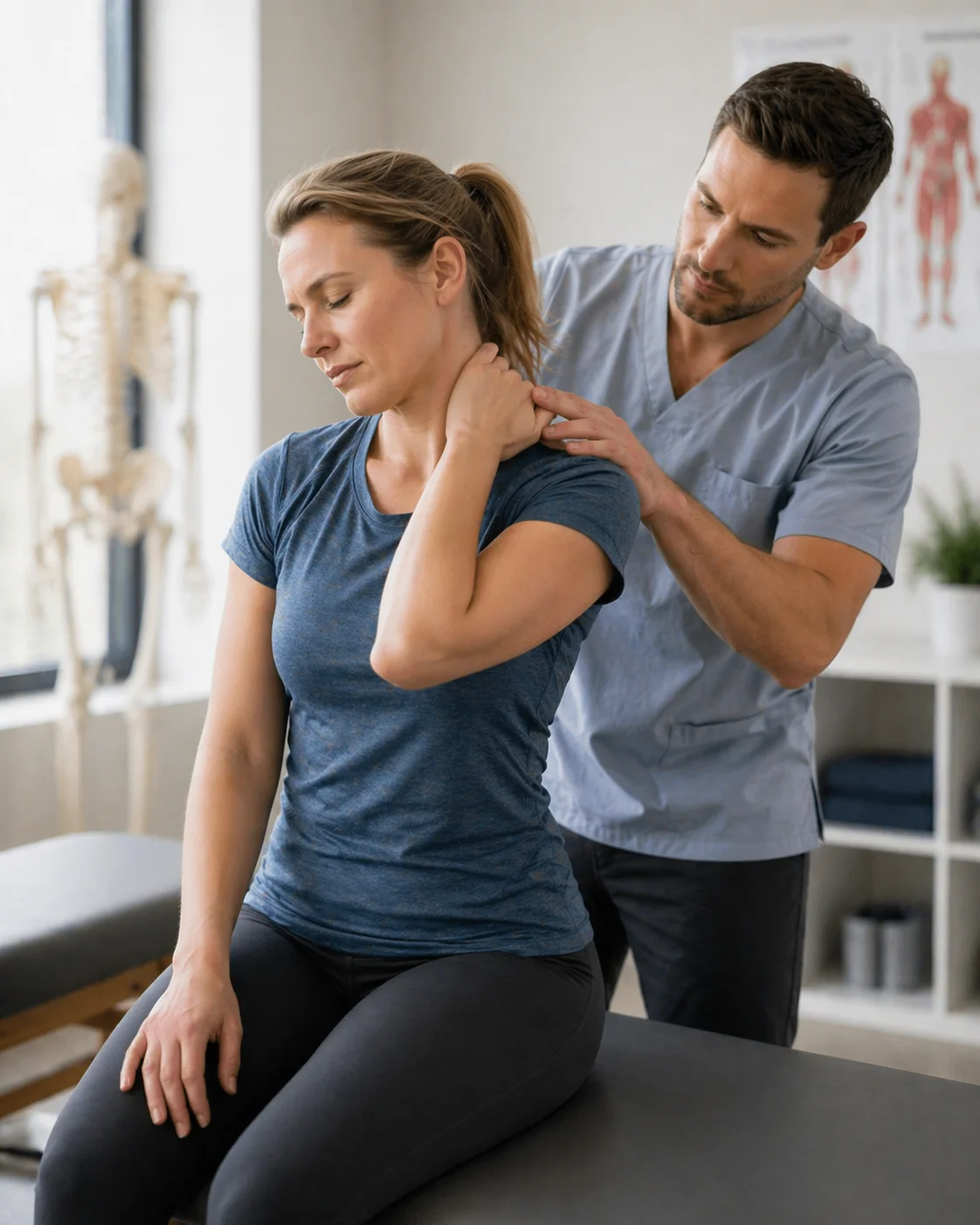
Cervical disc herniation happens when material from inside a spinal disc pushes outward and presses on nearby nerves — causing neck pain, arm tingling, or weakness.
AMIT care identifies which muscles have been inhibited by the disc pressure and restores their function, which reduces the compensatory loading that keeps the disc irritated.
Torticollis — or wryneck — is when the neck muscles contract involuntarily and pull the head to one side. It can come on suddenly from movement or sleep position, or develop gradually.
AMIT therapy identifies the specific muscles driving the spasm and restores balanced activation, reducing the tilt and the pain that goes with it.
Headache
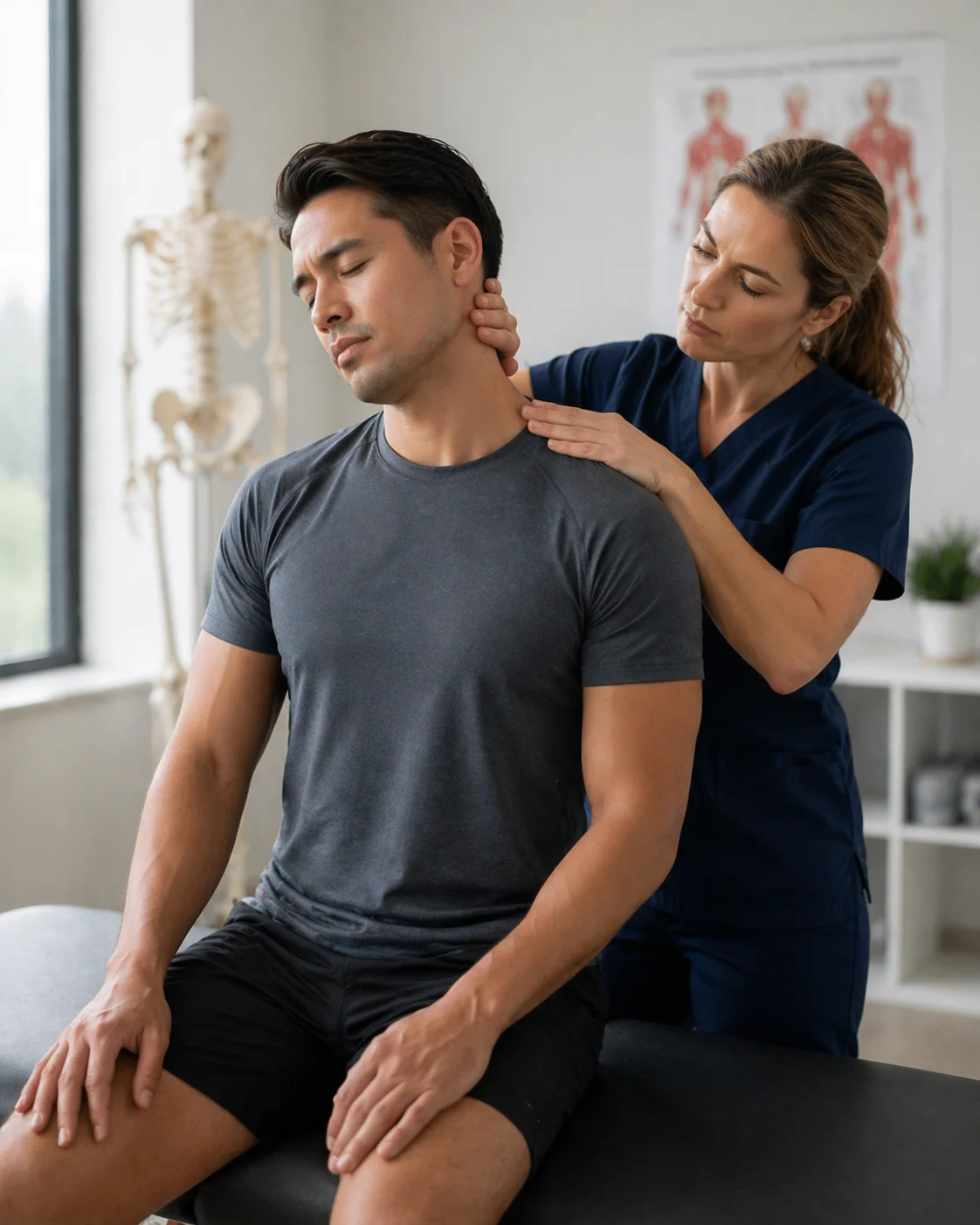
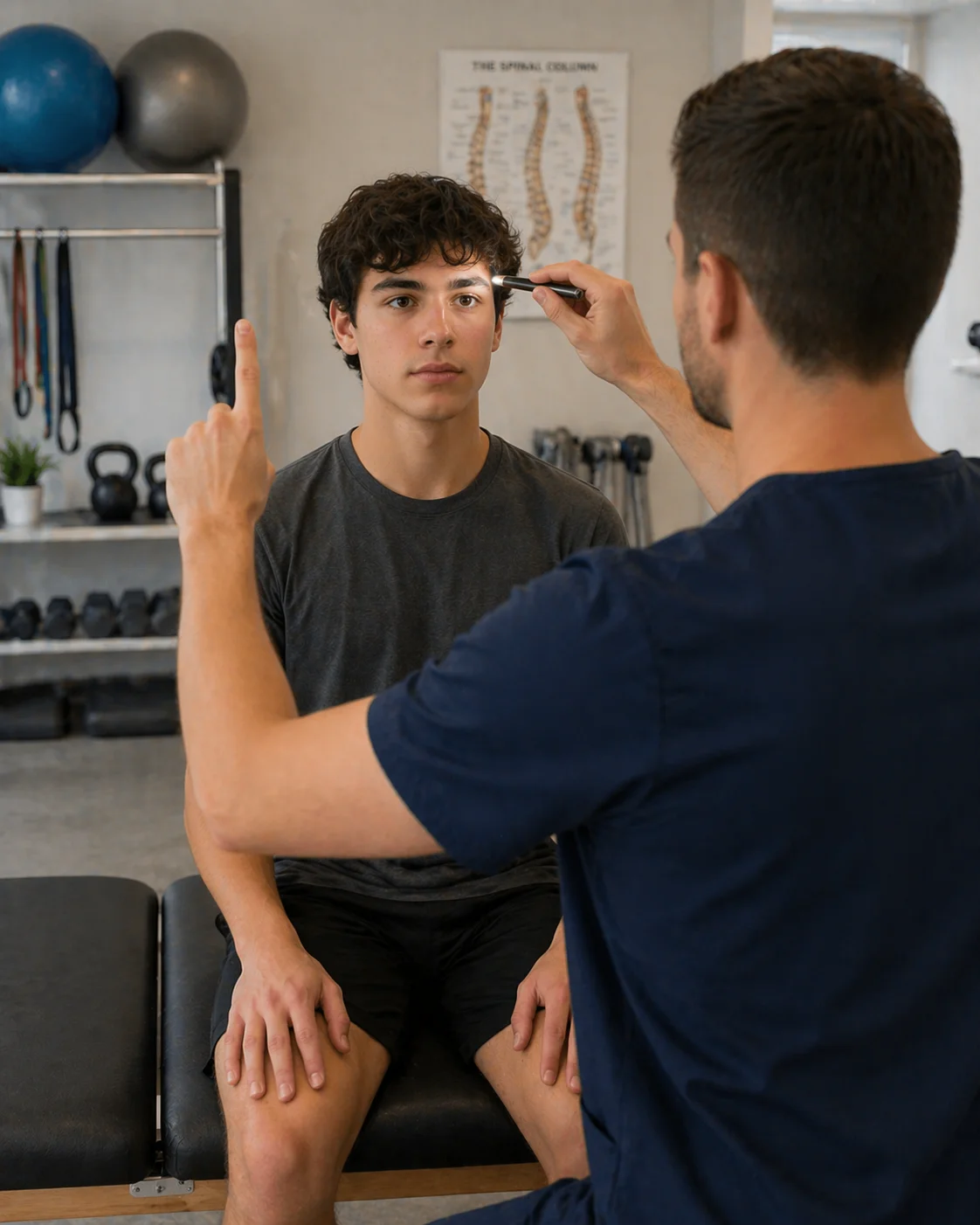
A lot of recurring headaches come from the cervical spine — muscle tension in the neck and shoulders that builds until it refers pain into the head. These are called cervicogenic headaches.
At AMIT Clinics, we evaluate the musculoskeletal contributors driving the headache pattern, which often reduces both frequency and severity without medication.
Post-concussion symptoms — headaches, neck pain, dizziness, brain fog — often involve cervical spine dysfunction that standard imaging doesn’t catch.
AMIT care supports concussion recovery by restoring proper muscle activation in the neck and cranial region, addressing the mechanical contributors to symptoms that linger after the initial injury.
Lumbar Disc Herniation
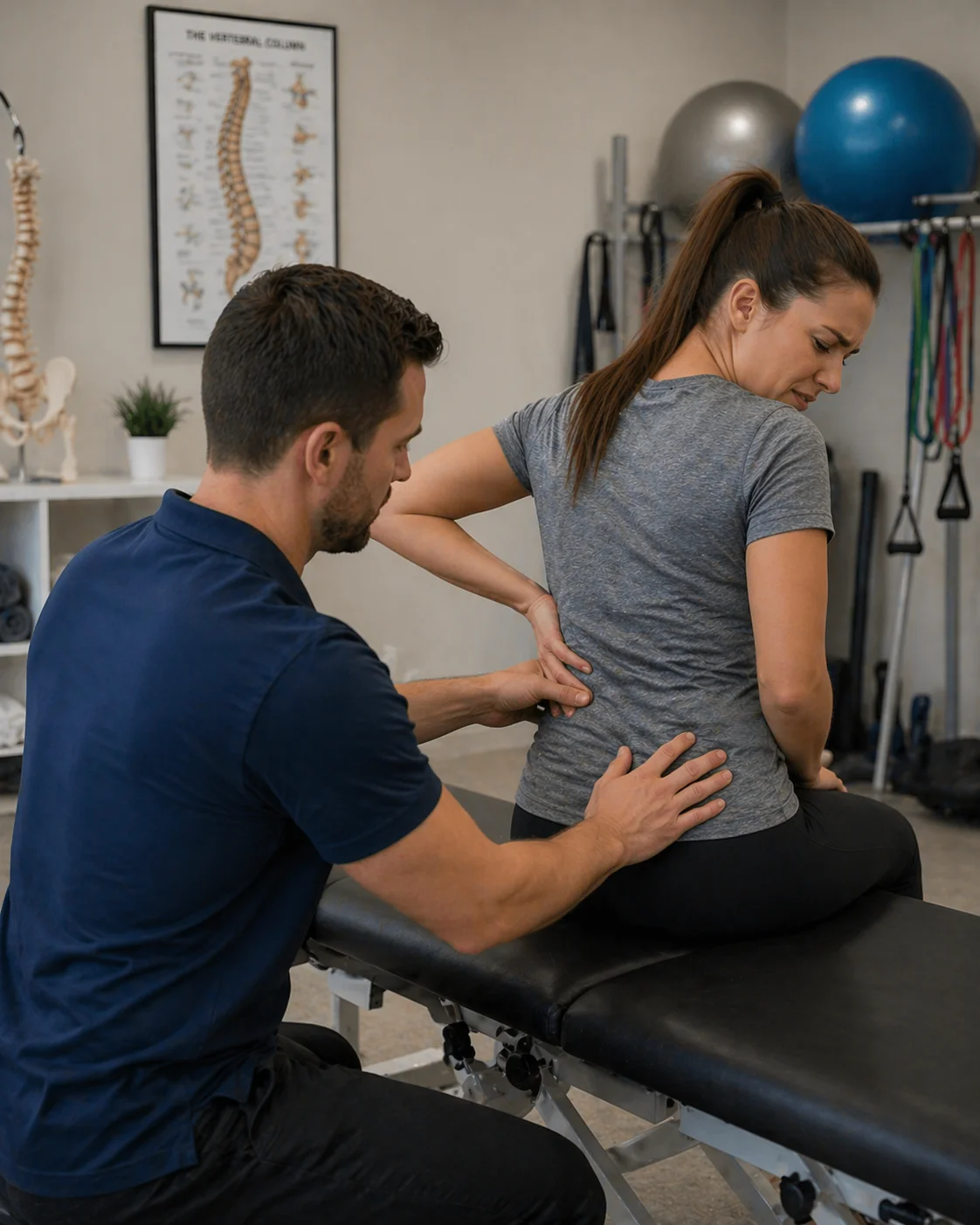
Lumbar disc herniation is one of the most common reasons patients come to us. When a disc in the lower back herniates, it can press on the sciatic nerve — causing radiating pain, numbness, or weakness into the leg.
AMIT identifies the inhibited core and hip muscles that are putting excess load on the disc, restores their function, and lets the lumbar spine stabilize the way it’s supposed to.
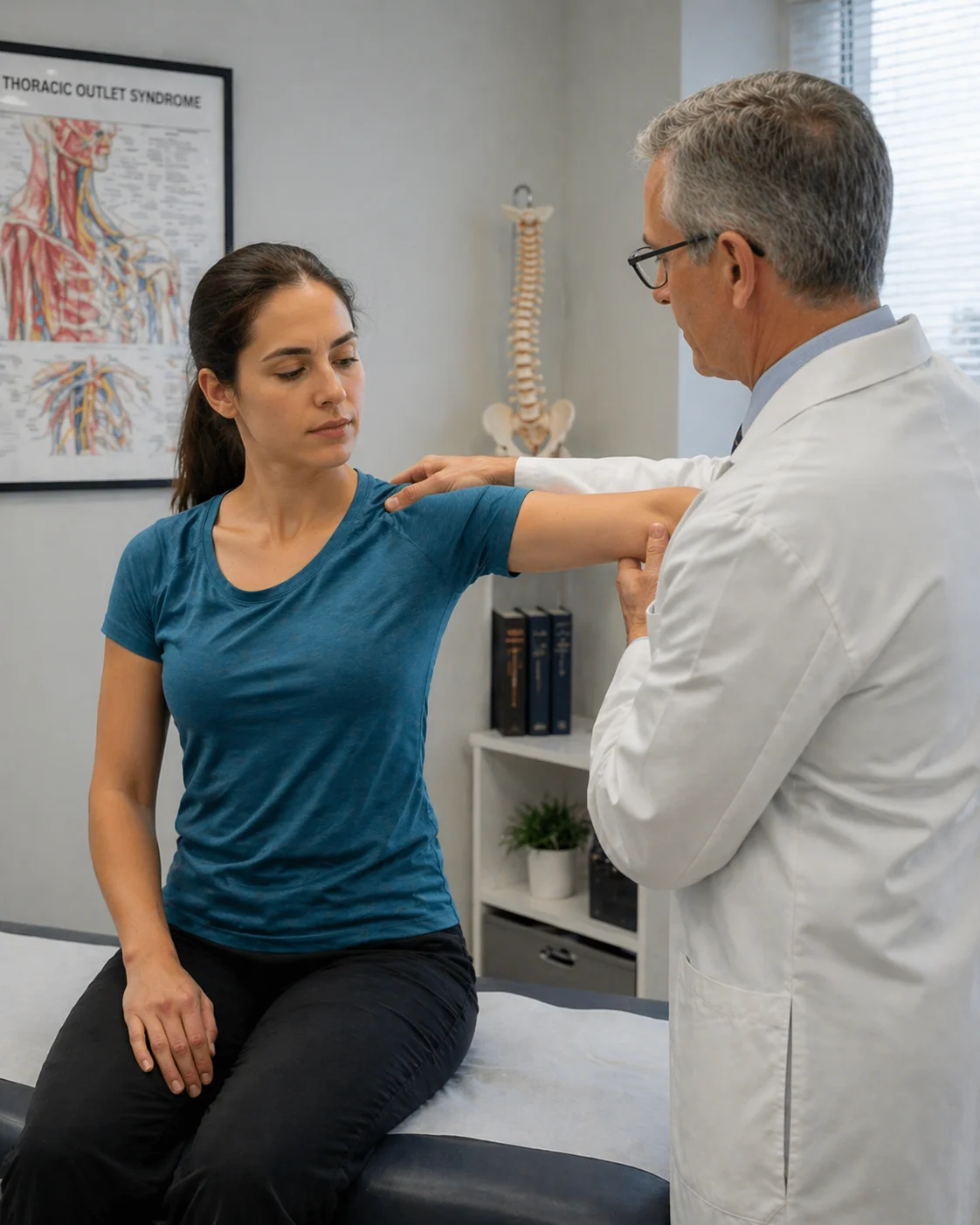
Thoracic outlet syndrome (TOS) is compression of nerves or blood vessels in the space between the collarbone and first rib. Symptoms include shoulder pain, arm numbness, and tingling into the hand.
AMIT therapy addresses the scalene, pectoral, and shoulder girdle muscles involved in TOS — reducing the compression and restoring normal nerve and circulation function.
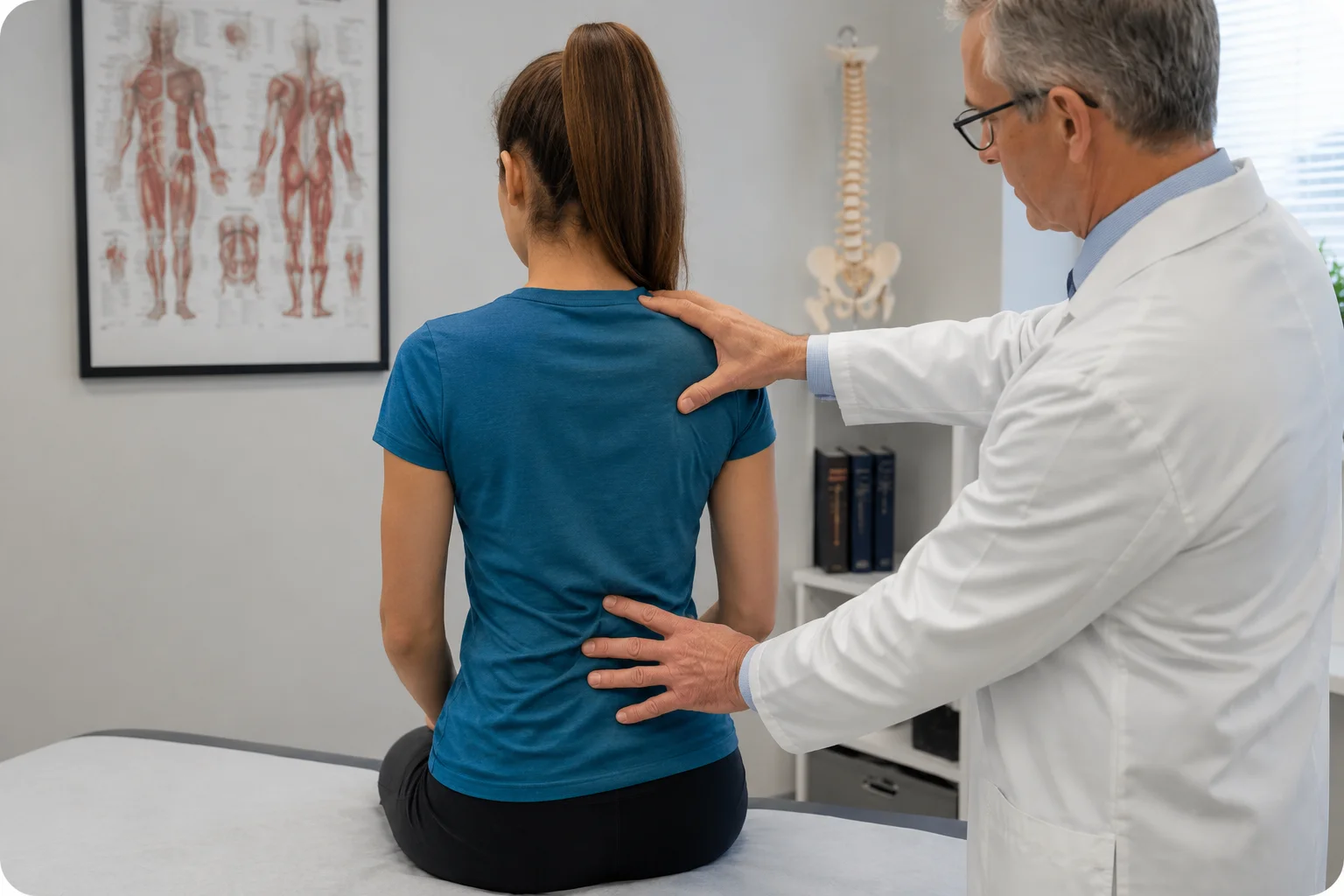
Scoliosis
Scoliosis is a sideways curvature of the spine that can develop during growth or result from congenital conditions, injury, or neuromuscular disorders. Common signs include uneven shoulders or waist, back discomfort, and, in severe cases, reduced lung function.
AMIT therapy addresses the muscle imbalances associated with scoliosis by restoring proper muscle activation and improving spinal and rib movement—helping reduce pain, improve mobility, and support better overall function.